Cayenne Pepper: The Spicy Superfood for Health, Healing, and Wellness
Cayenne pepper (Capsicum annuum) isn’t just a fiery addition to your favorite dishes; it’s a medicinal powerhouse with a rich history and impressive scientific backing. Packed with bioactive compounds, particularly capsaicin, cayenne pepper has been studied for its ability to promote circulation, support digestion, and aid in weight management. In this post, we’ll dive into the history, medicinal benefits, active compounds, scientific studies, recommended dosage, and potential risks of cayenne pepper. You’ll also discover practical ways to incorporate this superfood into your daily routine.
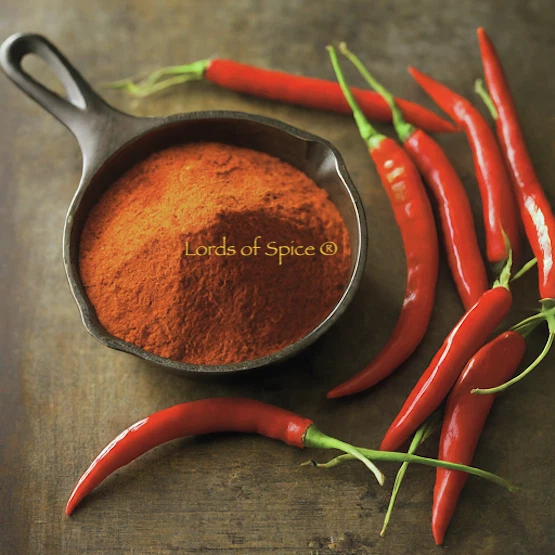 |
| We offer premium quality Cayenne Pepper at out ebay store. |
The History of Cayenne Pepper
Cayenne pepper is native to Central and South America, where it has been used for thousands of years. Indigenous peoples in the Americas have long used cayenne pepper in both cooking and medicine, considering it a powerful herb for promoting circulation, relieving pain, and even treating infections. The use of cayenne pepper spread to Europe and the rest of the world after the Columbian Exchange, a period during which European explorers and traders introduced many new plants, including hot peppers, to the Old World.
In traditional medicine, cayenne pepper was often used in tinctures, salves, and poultices. It became a staple in folk remedies, particularly for treating sore throats, improving digestion, and stimulating circulation. Today, cayenne is used both as a culinary spice and a popular supplement, with health benefits supported by modern scientific research.
BUY QUALITY CAYENNE PEPPER POWDER: Here (Click for ebay store)
BUY QUALITY LIQUID CAYENNE PEPPER EXTRACT: Here (Click for ebay store)
Scientific Studies Supporting Health Benefits
Boosting Metabolism and Weight Management
- Study: A 2019 review in Appetite found that capsaicin increases energy expenditure and fat oxidation, suggesting its potential role in weight management.
- Data: Regular consumption of capsaicin can elevate thermogenesis by up to 50 calories per day, which may lead to significant long-term benefits when paired with a healthy lifestyle.
- Conclusion: Capsaicin not only aids in burning calories but also suppresses appetite, making it effective for weight control.
Circulation and Heart Health
- Study: A 2020 meta-analysis published in Nutrients concluded that capsaicin improves vasodilation, reduces blood pressure, and promotes healthy cholesterol levels.
- Data: Participants consuming cayenne pepper daily experienced an average reduction of 5-10 mmHg in systolic blood pressure over three months.
- Conclusion: Improved circulation and heart health are strongly linked to capsaicin’s vasodilatory effects.
Digestive Health
- Study: A 2016 study in Gut Microbes highlighted cayenne pepper’s role in stimulating enzyme secretion and enhancing gut microbiota balance.
- Data: Capsaicin promotes gastric motility and increases bile flow, improving digestion and nutrient absorption.
- Conclusion: Regular use may reduce indigestion, bloating, and symptoms of irritable bowel syndrome (IBS).
Pain and Inflammation Relief
- Study: A 2018 study in Pain demonstrated that topical capsaicin reduced chronic neuropathic pain in 80% of participants over 12 weeks.
- Mechanism: Capsaicin depletes substance P, a neurotransmitter responsible for sending pain signals, thereby desensitizing pain pathways.
Diabetes Management
Cancer Prevention
Gut Health
Active Compounds in Cayenne Pepper
Cayenne pepper’s health benefits come from its diverse array of bioactive compounds:
Capsaicin
Capsanthin
- A red carotenoid with potent antioxidant activity.
- Functions: Protects cells from oxidative stress and supports heart health.
Vitamin C
- Essential for collagen production, immune defense, and wound healing.
- Effects: Enhances resistance to infections and reduces inflammation.
Vitamin A
- Critical for vision, skin health, and immune function.
- Effects: Maintains mucosal barriers and reduces susceptibility to infections.
Flavonoids
- Includes quercetin and luteolin, known for anti-inflammatory and cardioprotective effects.
Essential Oils
- Contribute to antimicrobial, antifungal, and soothing properties.
These compounds work synergistically to support overall health and contribute to cayenne's numerous therapeutic effects.
Recommended Dosage of Cayenne Pepper
The optimal dosage of cayenne pepper depends on the form in which you are using it. Here are some general guidelines:
General Guidelines
Powder: 1/4 to 1/2 teaspoon, 1-3 times daily.
Capsules: 500–1,000 mg, taken with food.
Tinctures: 10–15 drops in water, 1-2 times daily.
Topical Creams: Apply sparingly to affected areas for pain relief.
Safe Capsaicin Intake
Health authorities recommend a daily capsaicin intake of no more than 2.5 mg/kg body weight to avoid adverse effects. This varies by individual tolerance and sensitivity.
Potential Risks, Contraindications, and Interactions
While cayenne pepper offers numerous health benefits, it’s essential to be aware of its risks:
Stomach Irritation
- Risk: High doses can irritate the stomach lining, causing heartburn, nausea, or ulcers.
- Precaution: Always start with small amounts and take with food.
Skin Sensitivity
- Risk: Capsaicin creams may cause burning or irritation, especially if applied to broken skin.
- Precaution: Test a small area before widespread use and avoid contact with eyes or mucous membranes.
Interactions with Medications
- Anticoagulants: Capsaicin may increase the risk of bleeding when combined with blood thinners like warfarin or aspirin.
- Blood Pressure Medications: It can amplify the effects of vasodilators, potentially causing hypotension.
- Precaution: Consult with a healthcare provider if taking medications for heart conditions, hypertension, or clotting disorders.
Sensitivity to Nightshades
Risk: Allergic reactions or sensitivities to peppers and other nightshade plants (e.g., tomatoes, eggplants).
Precaution: Discontinue use if symptoms like rashes or gastrointestinal distress occur.
Pregnancy and Breastfeeding
- Caution: Pregnant women should avoid excessive consumption due to potential gastrointestinal discomfort and uterine stimulation. Caution: Excessive consumption may lead to gastrointestinal discomfort or uterine stimulation. Consult a healthcare provider before use.
GERD and Digestive Sensitivity
Risk: High doses can irritate the stomach lining, causing heartburn or nausea.
Precaution: Individuals with GERD or peptic ulcers should use cayenne pepper cautiously and consult a healthcare provider.
How to Incorporate Cayenne Pepper into Your Routine
- Morning Metabolism Booster: Add 1/4 teaspoon of cayenne pepper to warm lemon water and drink it on an empty stomach to kickstart digestion.
- Pain Relief Cream: Use cayenne-infused creams to alleviate arthritis or joint pain.
- Decongestant: Add a pinch to herbal tea to relieve sinus congestion.
 |
We make it easy, a wonderful Cayenne Pepper Tincture or
liquid Extract. Just a few drops under the tongue. |
Conclusion: The Fiery Benefits of Cayenne Pepper
Conclusion: The Fiery Benefits of Cayenne Pepper
Cayenne pepper is a scientifically proven superfood with wide-ranging benefits, from boosting metabolism to reducing pain and improving circulation. While its active compounds, especially capsaicin, offer immense potential, moderation and mindful use are essential to avoid risks. Always consult a healthcare professional for personalized advice, particularly if you have specific health concerns or take medications.
Incorporate cayenne pepper into your lifestyle for a fiery boost to your health!
Cayenne pepper is a scientifically proven superfood that offers wide-ranging benefits, from boosting metabolism to reducing pain and improving circulation. Its active compounds, especially capsaicin, have been extensively studied, confirming their effectiveness in supporting weight management, digestion, and heart health. However, moderation and mindful use are essential to avoid potential risks.
Incorporate cayenne pepper into your lifestyle for a fiery boost to your health, but always consult a healthcare professional if you have specific health concerns or take medications.
DISCLAIMERS:
The information provided on this blog is for informational purposes only and is not intended to diagnose, treat, cure, or prevent any disease. Always consult with a qualified healthcare provider before using any herbal products, especially if you are pregnant, breastfeeding, or have underlying health conditions. Herbs can interact with medications and may cause allergic reactions or side effects, so it’s important to use them responsibly and in the correct dosages. Individual results may vary, and the effectiveness of herbs depends on various factors, including overall health and lifestyle. We do not guarantee specific outcomes, and all opinions are based on personal experience and research. This blog may contain affiliate links, and we may earn a commission from purchases made through those links, but we only recommend products we believe are valuable to our readers
.jpg)

Comments
Post a Comment