Lemon Balm Guide: A Classic Proven Herb for Calming Medicinal Herb with Many Uses for Wellness
When it comes to natural remedies, Lemon Balm (Melissa officinalis) stands out as one of the most beloved and versatile herbs in the herbalist’s toolkit. Known for its gentle yet effective calming properties, Lemon Balm has been used for centuries in various cultures to promote relaxation, ease stress, and support overall well-being. From soothing the nervous system to aiding digestion, this herb is a true wellness powerhouse.
"For centuries, herbalists and healers have turned to Lemon Balm (Melissa officinalis) to soothe frayed nerves and uplift the spirit. This fragrant herb, with its calming lemon scent, has been revered for its ability to gently ease anxiety, promote relaxation, and support overall well-being. This article is for those seeking natural ways to improve their mental and emotional health, and those curious to learn more about the remarkable benefits of this versatile herb."
In this article, we’ll dive deep into the many benefits of Lemon Balm and explore why it deserves a place in your herbal collection.
Disclaimer: This blog post does not provide medical advice and that readers should always consult with a healthcare professional before using St. John's Wort, especially if they have any underlying health conditions or are taking other medications. We make no claims. Information is based on historic use.
What is Lemon Balm?
Lemon Balm is a perennial herb in the mint family, recognized for its lemon-scented leaves and its ability to thrive in a variety of environments. Native to Europe, this herb has been cultivated and cherished for centuries, not just for its refreshing lemony fragrance but also for its medicinal properties.
Lemon Balm’s leaves contain essential oils, flavonoids, and compounds like rosmarinic acid that contribute to its soothing, anti-inflammatory, and calming effects. Whether consumed as a tea, tincture, or in topical applications, Lemon Balm has a range of uses that support both physical and mental health.
Lords of Spice Lemon Balm Products:
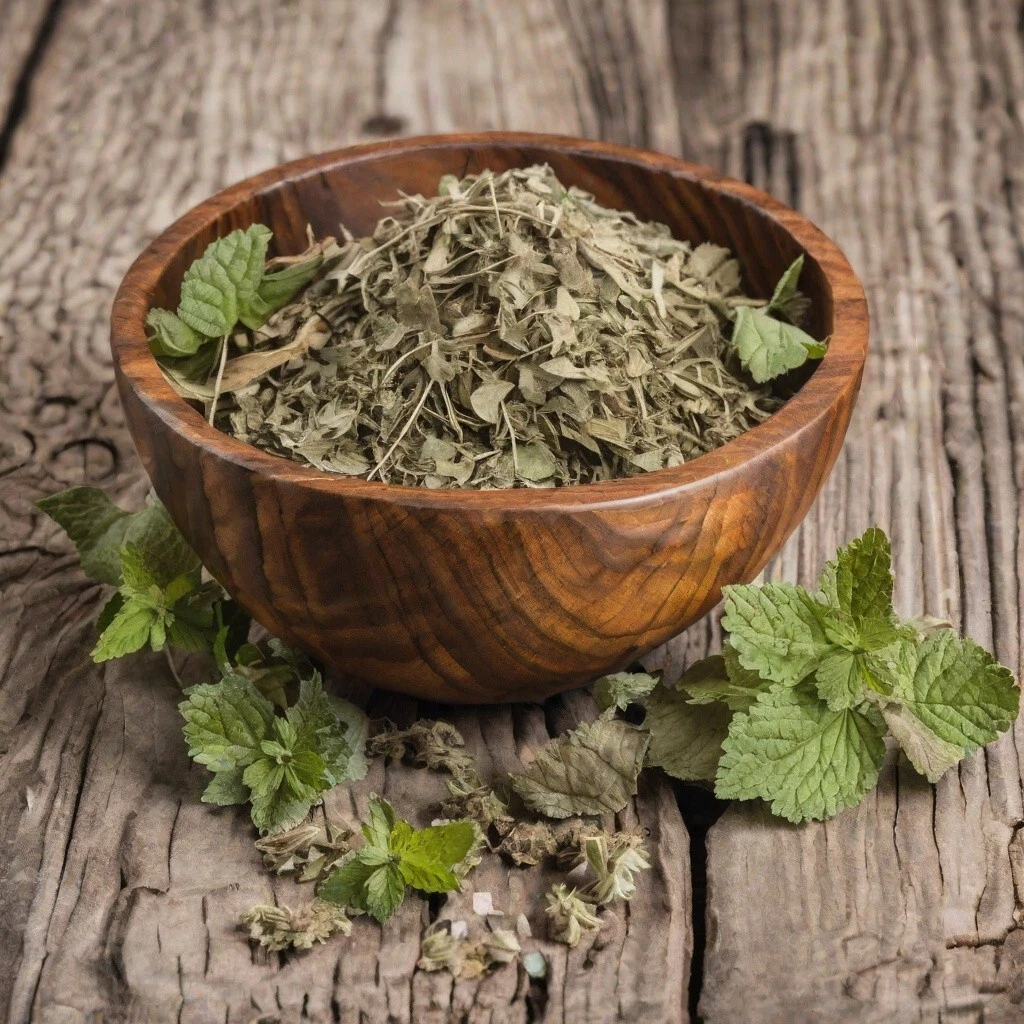
Classic Loose leaf Clean, Cut and Sifted:
1 oz - HERE
2 oz - HERE
25x Concentrated Powder: HERE
Lemon Balm Extract or Lemon Balm Tincture: (easy to use potent liquid drops_
1oz (30 servings) HERE or 2oz (60 servings) HERE
The Many Benefits of Lemon Balm for Wellness
How it Works:
* Lemon Balm may increase the activity of GABA (gamma-aminobutyric acid), a neurotransmitter that plays a crucial role in reducing anxiety and promoting relaxation.
* Studies suggest that Lemon Balm may increase GABA receptor sensitivity, enhancing its calming effects on the nervous system.
* A study published in the Journal of Ethnopharmacology found that Lemon Balm extract significantly reduced anxiety levels in participants with mild-to-moderate anxiety disorders.
1. Calming the Nervous System
One of the most renowned uses of Lemon Balm is for stress relief and promoting relaxation. It’s often referred to as a mild nervine, meaning it has a calming effect on the nervous system. Lemon Balm helps alleviate symptoms of anxiety, restlessness, and nervous tension, making it a great choice for those dealing with stress, insomnia, or mild forms of depression.
- How it works: The flavonoids and rosmarinic acid found in Lemon Balm are believed to help regulate the nervous system, promoting a sense of calm and easing feelings of agitation.
- How to use it: Sip a cup of Lemon Balm tea before bed, or take a few drops of Lemon Balm tincture when feeling anxious or overwhelmed.
2. Supporting Sleep and Restfulness
Struggling with insomnia or trouble falling asleep? Lemon Balm can be your natural ally. Traditionally, Lemon Balm has been used to support healthy sleep patterns. Its gentle sedative properties help calm the mind and prepare the body for rest.
- How it works: Lemon Balm has been shown to increase gamma-aminobutyric acid (GABA) activity in the brain, a neurotransmitter that plays a role in reducing neural excitability and helping you relax.
- How to use it: Enjoy a cup of Lemon Balm tea an hour before bedtime, or combine it with other calming herbs like Chamomile or Lavender for an even more soothing nighttime brew.
3. Digestive Health Support
Lemon Balm is also a wonderful herb for promoting digestive wellness. It has been traditionally used to ease indigestion, bloating, and mild stomach discomfort. Its antispasmodic properties help relax the muscles of the digestive tract, which can reduce cramping and discomfort.
- How it works: The compounds in Lemon Balm can help soothe the stomach lining, reduce gas, and alleviate bloating. It also supports healthy bile production, which aids in fat digestion.
- How to use it: Drink a cup of Lemon Balm tea after meals to promote digestion and reduce any post-meal discomfort. You can also use it in combination with other digestive herbs like Peppermint or Ginger for a more comprehensive digestive aid.
4. Mood Enhancement
Lemon Balm’s ability to calm the nervous system doesn’t just make it useful for anxiety; it can also improve mood and alleviate feelings of sadness or irritability. Its mild antidepressant effects help boost mood and emotional balance.
- How it works: Lemon Balm increases the availability of acetylcholine, a neurotransmitter involved in regulating mood and cognitive function. It’s thought to improve mental clarity and promote a sense of contentment.
- How to use it: Take Lemon Balm in the form of a tincture or tea when you're feeling emotionally drained or need to unwind after a busy day.
5. Cognitive Clarity and Mental Focus
In addition to its calming effects, Lemon Balm can also enhance cognitive function. It’s been shown to improve memory, concentration, and mental clarity, making it an excellent herb for those experiencing mental fatigue or brain fog.
- How it works: Lemon Balm has mild nootropic effects, meaning it can improve cognitive performance and reduce stress-induced cognitive impairment.
- How to use it: Sip on Lemon Balm tea during the day to promote mental clarity, or add it to your morning routine as a gentle alternative to caffeine.
6. Antiviral and Antibacterial Properties
Lemon Balm also has antiviral and antibacterial properties, which make it useful in fighting infections. In particular, it is known for being effective against the herpes simplex virus (HSV), which causes cold sores.
- How it works: The essential oils in Lemon Balm have been found to inhibit the growth of the herpes virus, making it a popular herbal remedy for cold sores and other skin infections.
- How to use it: For topical use, apply a Lemon Balm cream or oil to affected areas. For internal use, drink Lemon Balm tea or take a tincture to help fight viral infections from within.
How to Use Lemon Balm
There are many ways to incorporate Lemon Balm into your wellness routine, depending on your preference and the specific benefits you’re seeking:
Lemon Balm Tea: The most common and soothing way to enjoy this herb is by brewing a cup of Lemon Balm tea. Simply steep 1–2 teaspoons of dried Lemon Balm leaves in hot water for 5-10 minutes. For added flavor and benefits, combine it with other herbs like Chamomile or Lavender.
Lemon Balm Tincture: For a more concentrated dose, you can take a Lemon Balm tincture. A few drops under the tongue or in water can provide quick relief for anxiety or digestive discomfort.
Topical Applications: Lemon Balm can be found in creams and oils, which are excellent for applying to cold sores, bug bites, or areas of skin irritation. Look for products that use Lemon Balm as a key ingredient for its soothing, healing properties.
Fresh Lemon Balm: If you grow your own Lemon Balm, you can use the fresh leaves in salads, smoothies, or even as a garnish for drinks. The fresh leaves are full of aromatic oils that provide a burst of lemony flavor.
Main Topics Related to Lemon Balm:
Lemon Balm Benefits: Lemon Balm is known for its calming effects, promoting relaxation, reducing anxiety, improving sleep quality, and aiding digestion.
Lemon Balm for Anxiety: It helps reduce symptoms of anxiety by promoting relaxation and lowering stress hormone levels.
Lemon Balm for Sleep: Lemon Balm can improve sleep quality by calming the nervous system and reducing insomnia-related symptoms.
Lemon Balm Extract: Lemon Balm extract is concentrated and commonly used in tinctures or capsules to harness its calming properties.
Lemon Balm Tea: Drinking Lemon Balm tea helps soothe the mind, relax the body, and aid digestion.
Lemon Balm Uses: It is used for anxiety, insomnia, digestive issues, mood enhancement, and as an antiviral agent.
Lemon Balm Dosage: Typical dosages range from 300 to 600 mg of extract daily, or 1 to 2 teaspoons of dried herb per cup of tea.
Lemon Balm Side Effects: It’s generally safe but may cause mild drowsiness or interact with sedatives and thyroid medications.
Lemon Balm for Stress Relief: It helps reduce stress by lowering cortisol levels and promoting relaxation through its calming effects.
Lemon Balm for Mood Enhancement: Lemon Balm can improve mood by boosting the production of GABA and serotonin, helping with stress and mild depression.
Lemon Balm for Digestion: It eases digestive discomfort, alleviates bloating, and relieves gas and indigestion.
Lemon Balm Herbal Remedies: Commonly used for anxiety, stress, sleep disturbances, digestion, and headaches.
Lemon Balm for Headaches: It can help relieve headaches caused by stress or tension by promoting relaxation and reducing anxiety.
Lemon Balm and Insomnia: It helps improve sleep quality by calming the nervous system, making it a natural remedy for insomnia.
Lemon Balm as a Natural Remedy: Used for stress, anxiety, insomnia, digestive issues, and cold sores due to its calming and antimicrobial properties.
Lemon Balm Tincture: A tincture is an alcohol-based extract that provides a concentrated dose of Lemon Balm’s calming effects.
Lemon Balm for Cold Sores: Known for its antiviral properties, Lemon Balm can help speed up healing of cold sores caused by the herpes simplex virus.
Lemon Balm for Relaxation: It promotes relaxation by reducing stress, calming the mind, and aiding in overall nervous system balance.
Lemon Balm Properties: Lemon Balm has calming, anti-inflammatory, antioxidant, and antiviral properties.
How to Use Lemon Balm: You can use Lemon Balm as tea, tinctures, capsules, or topically for its therapeutic effects.
Lemon Balm Supplements: Available as capsules, tablets, or liquid extracts, Lemon Balm supplements are commonly used for mental clarity, stress reduction, and sleep improvement.
Lemon Balm for Cognitive Function: It may enhance cognitive function by improving focus, memory, and concentration, particularly for those under stress.
Lemon Balm for Memory: Known to enhance memory and cognitive function by improving brain activity and reducing stress-related cognitive decline.
Lemon Balm Herbal Benefits: It offers numerous benefits, including stress reduction, sleep improvement, digestive support, and antiviral activity.
Lemon Balm for Children’s Anxiety: It is a gentle herb that can help reduce anxiety in children, promoting relaxation without sedating effects.
Final Thoughts
Lemon Balm is more than just a fragrant, pleasant herb—it’s a powerful medicinal ally with a wide range of health benefits. Whether you’re seeking stress relief, better digestion, improved sleep, or a mood boost, this humble herb can support your wellness in many ways. As with any herb, it’s important to use it mindfully and consult with a healthcare professional if you’re unsure about how it may interact with your current health regimen.
At Lords of Spice, we offer premium Lemon Balm products, from dried herbs to tinctures, all carefully crafted to ensure the highest quality and potency. Explore our collection today and discover how Lemon Balm can become a staple in your natural wellness journey.
"Lemon Balm is a gentle yet powerful herb with a long history of traditional use. From easing anxiety and improving sleep to supporting digestion and boosting mood, this versatile herb offers a range of benefits for overall well-being. While further research is ongoing, the available evidence suggests that Lemon Balm can be a valuable addition to a holistic wellness routine. Always consult with a qualified healthcare provider before incorporating any new herb into your regimen."
Safety and Precautions:
Precautions:
* Potential Side Effects:
* Mild drowsiness or dizziness may occur in some individuals.
* Allergic reactions, such as skin rashes or hives, are possible in rare cases.
* Drug Interactions:
* Lemon Balm may interact with sedatives, medications for the thyroid, and immunosuppressants.
* Pregnancy and Breastfeeding:
* Pregnant or breastfeeding women should consult with a healthcare provider before using Lemon Balm, as limited research is available on its safety during these periods.
For more information on Lemon Balm:
Wiki: HERE
WebMD: HERE
MountSinai: HERE
Disclaimer: The information in this article is for educational purposes only and is not intended as medical advice. Always consult with a healthcare provider before starting any new herbal regimen.
DISCLAIMERS:
The information provided on this blog is for informational purposes only and is not intended to diagnose, treat, cure, or prevent any disease. Always consult with a qualified healthcare provider before using any herbal products, especially if you are pregnant, breastfeeding, or have underlying health conditions. Herbs can interact with medications and may cause allergic reactions or side effects, so it’s important to use them responsibly and in the correct dosages. Individual results may vary, and the effectiveness of herbs depends on various factors, including overall health and lifestyle. We do not guarantee specific outcomes, and all opinions are based on personal experience and research. This blog may contain affiliate links, and we may earn a commission from purchases made through those links, but we only recommend products we believe are valuable to our readers
.jpg)

Comments
Post a Comment