Mugwort: The Ultimate Herbal Remedy for Mind, Body, and Spirit
Disclaimer: This blog post is for informational purposes only and is not intended to diagnose, treat, cure, or prevent any disease. Always consult with a qualified healthcare provider before using any herbal products, especially if you are pregnant, breastfeeding, or have underlying health conditions. Herbs can interact with medications and may cause allergic reactions or side effects. Individual results may vary, and the effectiveness of herbs depends on various factors, including overall health and lifestyle. This information does not constitute medical advice.
Mugwort (Artemisia vulgaris) is a versatile and ancient herb with a rich history in both medicinal and spiritual practices. Often considered a "witch's herb" due to its association with magical and healing rituals, mugwort has been used for centuries to promote wellness, balance, and clarity. In this comprehensive guide, we'll dive deep into the benefits, uses, and history of mugwort, providing valuable insights for herbalists, natural healers, and anyone looking to tap into the power of this remarkable plant.
"Often considered a "witch's herb" due to its association with magical and healing rituals, mugwort has been used for centuries to promote wellness, balance, and clarity. In ancient and medieval times, mugwort was highly valued for its mystical and spiritual properties. It was often used in divination, dreamwork, and protective spells. Witches and healers believed that mugwort could enhance intuition, connect with the spirit world, and provide protection from negative energies. This association with the mystical likely contributed to its reputation as a "witch's herb."
 |
| We sell top quality Mugwort herb and tinctures, at our eaby store. |
What is Mugwort?
Mugwort is a perennial herb that belongs to the Artemisia genus, which includes a variety of species with medicinal properties. Native to Europe, Asia, and North America, mugwort has been revered for its therapeutic properties for thousands of years. Known for its distinctive, aromatic leaves and tiny, greenish-yellow flowers, mugwort grows in a variety of habitats, including roadsides, fields, and forest edges.
Its name, "mugwort," comes from the old practice of using the herb to flavor beer (a practice dating back to medieval times). However, mugwort's true value lies in its medicinal uses, which have made it a staple in traditional healing systems like Traditional Chinese Medicine (TCM), Ayurveda, and European herbalism.
BUY MUGWORT HERB: Here
BUY MUGWORT TINCTURE: Here
"Scientific research supports some of the traditional uses of mugwort. Studies have shown that mugwort may have anti-inflammatory, antioxidant, and antispasmodic properties. Some research suggests that compounds in mugwort may help to relax smooth muscle, which could contribute to its ability to relieve menstrual cramps and digestive issues.
- In addition, studies have shown that certain compounds in mugwort may have anti-microbial and anti-parasitic properties, supporting its traditional use in addressing digestive issues.
- However, more research is needed to fully understand the mechanisms of action and clinical efficacy of mugwort in humans."
However, it's crucial to remember that this information is for educational purposes only and should not be considered medical advice. Always consult with a qualified healthcare professional before using any herbal products, especially if you are pregnant, breastfeeding, or have any underlying health conditions.
Key Benefits of Mugwort
Mugwort is a powerful herb with a variety of benefits, both physical and mental:
-
Digestive Health and Gut Support: Mugwort has long been used to support digestive health. It is known for its ability to stimulate appetite, improve digestion, and relieve symptoms of indigestion. The herb works as a bitter tonic, which encourages bile production and supports the digestive system in breaking down fats and nutrients.
- Uses: It can be taken in tea form to soothe bloating, gas, and nausea. Additionally, mugwort may help ease constipation by promoting healthy bowel movements.
-
Menstrual and Reproductive Health: Mugwort has a strong connection to women's health, particularly in balancing menstrual cycles. It has been traditionally used to regulate irregular periods, ease menstrual cramps, and support hormonal balance. It can also help relieve symptoms of PMS, including mood swings, bloating, and fatigue.
- Uses: Mugwort is often used as a tincture or infused in tea to stimulate menstrual flow in cases of delayed or missed periods. It is also known for supporting uterine health and toning the reproductive system.
-
Sleep Aid and Dream Enhancement: Mugwort is most famous for its ability to enhance dreams and improve sleep quality. The herb is known for its mild sedative effects, which can help those struggling with insomnia or sleep disturbances.
- Uses: Mugwort can be placed under the pillow or burned as incense to enhance vivid dreams and promote deep, restful sleep. It's also commonly brewed into a tea before bedtime to ease the mind and relax the body.
-
Mental Clarity and Emotional Balance: Mugwort is highly regarded for its ability to support mental clarity and emotional balance. Its stimulating properties can help boost focus, relieve stress, and promote mental relaxation. It is also known for its potential to help clear mental fog and improve cognitive function.
- Uses: Mugwort is often consumed in tea form or used in aromatherapy to uplift the mood, reduce anxiety, and enhance focus. Its reputation as a mind-opening herb also extends to its use in spiritual and shamanic practices.
-
Antioxidant and Anti-Inflammatory Properties: Mugwort is packed with antioxidants that help protect the body from free radical damage. It also contains compounds that have anti-inflammatory properties, making it useful for managing conditions like arthritis, joint pain, and muscle soreness.
- Uses: Mugwort can be consumed as a tea or used topically in ointments to reduce inflammation and promote healing in the body.
How to Use Mugwort: Best Methods of Consumption
Mugwort can be used in a variety of ways depending on your needs. Here are some of the most common methods of consuming or applying this herbal powerhouse:
-
Mugwort Tea: One of the most popular ways to consume mugwort is by making a soothing herbal tea. The tea is believed to aid digestion, promote relaxation, and enhance sleep quality.
- How to Prepare: Steep 1-2 teaspoons of dried mugwort leaves in hot water for 5-10 minutes. Strain and drink the tea before bedtime to promote restful sleep or digestion.
-
Mugwort Tincture: A tincture is a concentrated liquid form of the herb that can be taken in small doses. It's ideal for those who prefer a more potent and easily absorbed form of mugwort.
- How to Use: Take 1-2 dropperfuls of mugwort tincture in water or tea to support digestion or menstrual health. Use a tincture of mugwort to ease anxiety or improve mental clarity.
-
Mugwort Essential Oil: Mugwort essential oil can be used in aromatherapy, offering mental clarity and relaxation. Its calming scent is also believed to encourage lucid dreams.
- How to Use: Diffuse the oil in your bedroom to improve sleep quality. Mix a few drops with a carrier oil and massage it into the temples or wrists to reduce stress and promote relaxation.
-
Topical Applications: Mugwort can be used topically as part of poultices, salves, or creams to help soothe inflammation, ease pain, or improve skin health.
- How to Prepare: Create a poultice by crushing fresh mugwort leaves and applying them to inflamed or sore areas of the skin. Use mugwort-infused oil or salves to reduce muscle tension or inflammation.
-
Mugwort Smoke for Spiritual Practices: Traditionally, mugwort has been burned as incense to clear the air, create a sacred space, or enhance spiritual rituals. Its smoke is believed to purify the environment and assist with meditation or dream work.
- How to Use: Light a bundle of mugwort (or loose leaves) and let the smoke fill the room for spiritual cleansing. Use in dream work or shamanic journeys for clarity and guidance.
Potential Side Effects and Precautions
"While mugwort is generally considered safe for most people when used appropriately, there are a few precautions to keep in mind:
- Allergic Reactions: Mugwort is part of the Asteraceae family, which includes ragweed, daisies, and chrysanthemums. People with allergies to these plants should avoid using mugwort, as it may trigger allergic reactions such as skin rashes, sneezing, asthma, or hay fever.
- Pregnancy and Breastfeeding: Mugwort should be avoided during pregnancy and breastfeeding, as it has been traditionally used as an emmenagogue (a substance that stimulates menstruation) and may cause uterine contractions.
- Drug Interactions: If you are taking prescription medications, such as blood thinners or medications for the nervous system, consult with a healthcare provider before using mugwort. Wormwood may interact with these medications.
- Liver Issues: In some cases, high doses of mugwort may cause liver damage.
- Nervous System Effects: High doses of mugwort can also cause nervous system side effects, such as anxiety, restlessness, and insomnia.
- Skin Irritation: Topical application of mugwort may cause skin irritation in some individuals.
Conclusion
Mugwort is an exceptional herb with a long history of use in both medicinal and spiritual practices. Whether you’re seeking digestive relief, menstrual support, improved sleep, or a way to connect with your inner self, mugwort offers a holistic solution that has stood the test of time. By understanding its benefits and how to use it, you can incorporate this powerful herb into your wellness routine and unlock its potential for better health and spiritual growth.
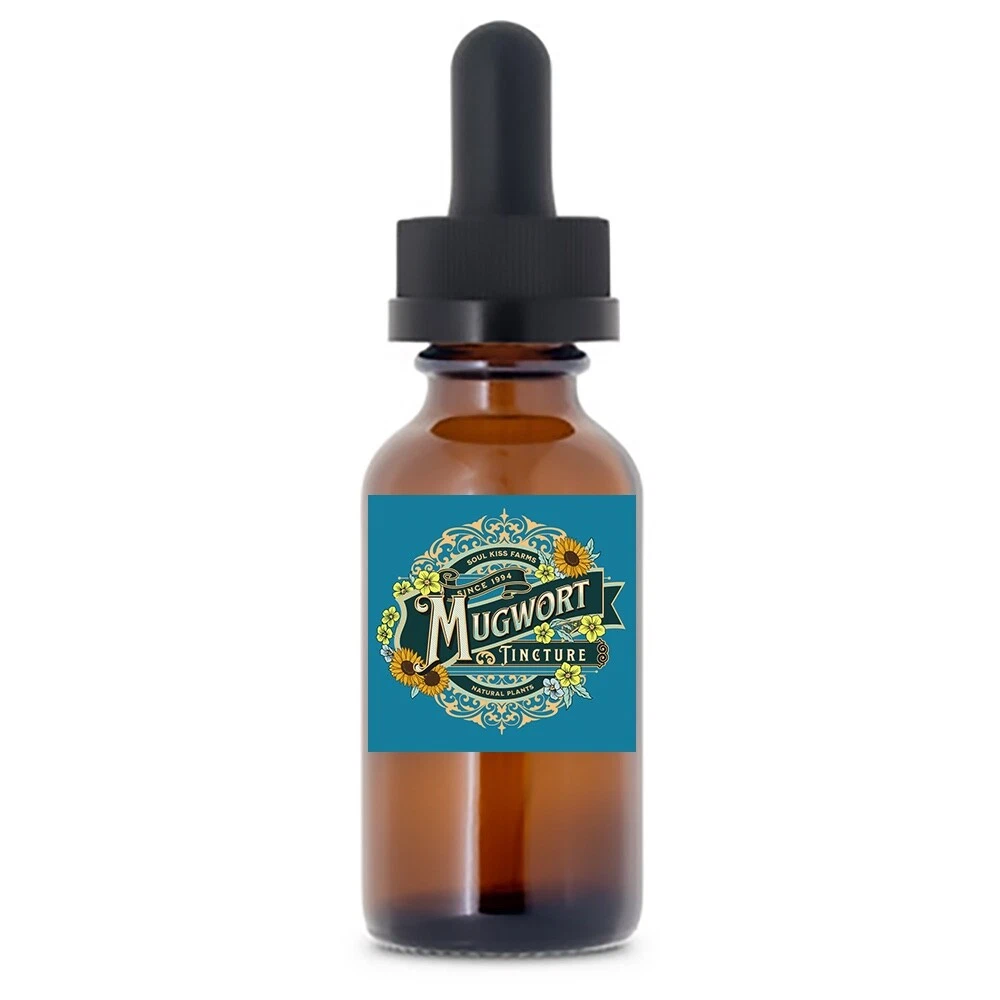 |
| We make getting mugwort benefits easy, liquid mugwort extract. (In our ebay store) HERE |
DISCLAIMERS:
The information provided on this blog is for informational purposes only and is not intended to diagnose, treat, cure, or prevent any disease. Always consult with a qualified healthcare provider before using any herbal products, especially if you are pregnant, breastfeeding, or have underlying health conditions. Herbs can interact with medications and may cause allergic reactions or side effects, so it’s important to use them responsibly and in the correct dosages. Individual results may vary, and the effectiveness of herbs depends on various factors, including overall health and lifestyle. We do not guarantee specific outcomes, and all opinions are based on personal experience and research. This blog may contain affiliate links, and we may earn a commission from purchases made through those links, but we only recommend products we believe are valuable to our readers
.jpg)

Comments
Post a Comment