All Natural Remedies for Stress: 10 Effective A Guide to Solutions to Calm Your Mind and Body
Stress is a natural part of life, but when it becomes chronic, it can negatively impact your mental, emotional, and physical health. In today’s fast-paced world, finding effective ways to manage stress is crucial for maintaining overall well-being. While there are many pharmaceutical options available for stress relief, many people are turning to natural remedies for stress to find peace and relaxation without the side effects of medication.

In this post, we’ll explore 10 natural remedies for stress that are easy to incorporate into your daily routine. From herbal remedies to mindfulness practices, these stress-busting solutions can help you feel calmer, more centered, and better able to handle life's challenges.
1. Chamomile Tea: A Calming Herbal Remedy
Chamomile has long been known for its calming properties. This herbal tea contains apigenin, an antioxidant that binds to specific receptors in the brain, promoting relaxation and reducing anxiety. Drinking a cup of chamomile tea before bed can help you wind down and improve sleep quality, which is crucial for stress management.
How to use: Simply steep a chamomile tea bag or dried chamomile flowers in hot water for 5-10 minutes. Enjoy a cup in the evening to promote relaxation before bedtime.
Key Topics: chamomile tea for stress, herbal remedies for anxiety, natural ways to reduce stress
BUY CHAMOMILE: Here
2. Lavender: The Ultimate Stress Reliever
Lavender is one of the most popular herbs for stress relief due to its soothing and relaxing effects. Studies have shown that lavender essential oil can help reduce anxiety and promote relaxation by interacting with the body’s nervous system. It’s often used in aromatherapy or applied topically for calming effects.
How to use: You can diffuse lavender essential oil in your home, add a few drops to your pillow, or mix it with a carrier oil like coconut oil and massage it into your wrists, temples, or neck.
Key Topics: lavender for anxiety, essential oils for stress relief, aromatherapy for relaxation
BUY LAVENDER: Here
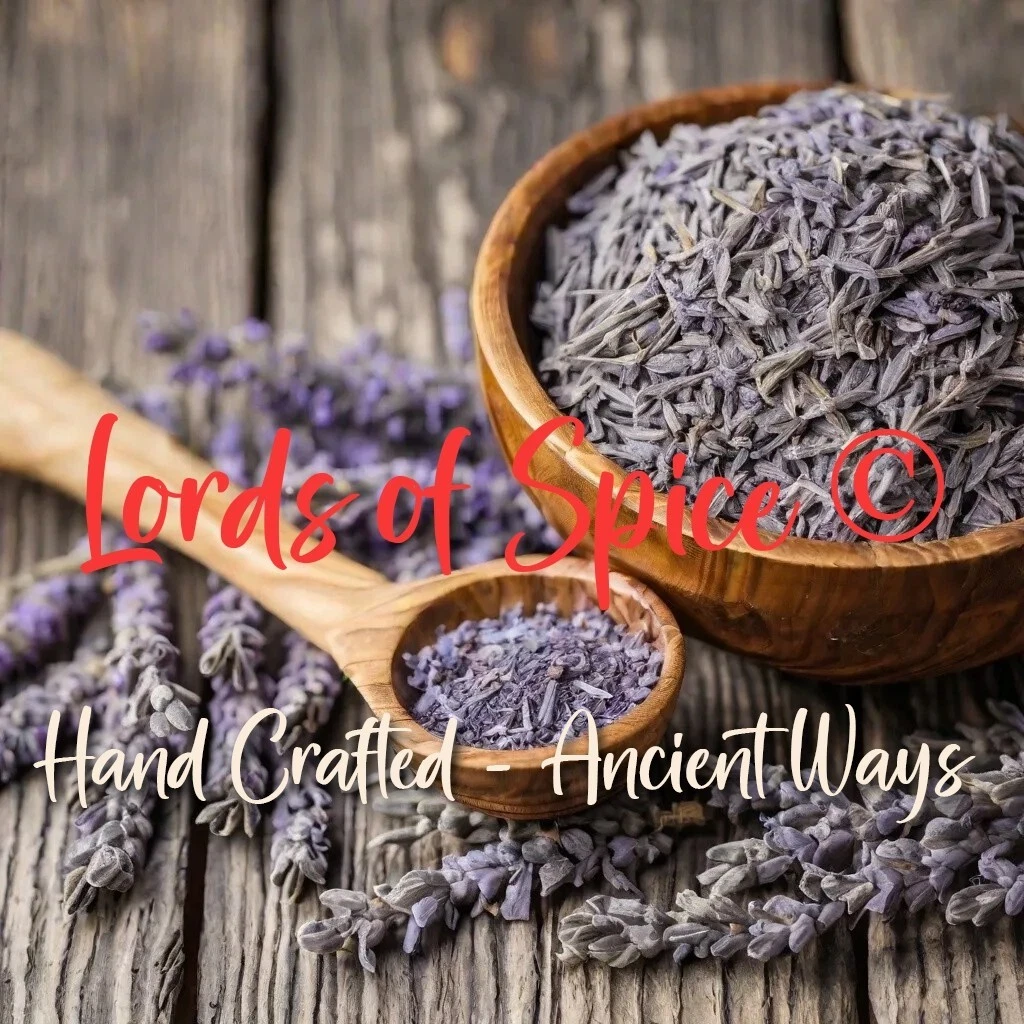 |
| Lords of Spice Lavender. |
3. Ashwagandha: The Adaptogenic Herb for Stress
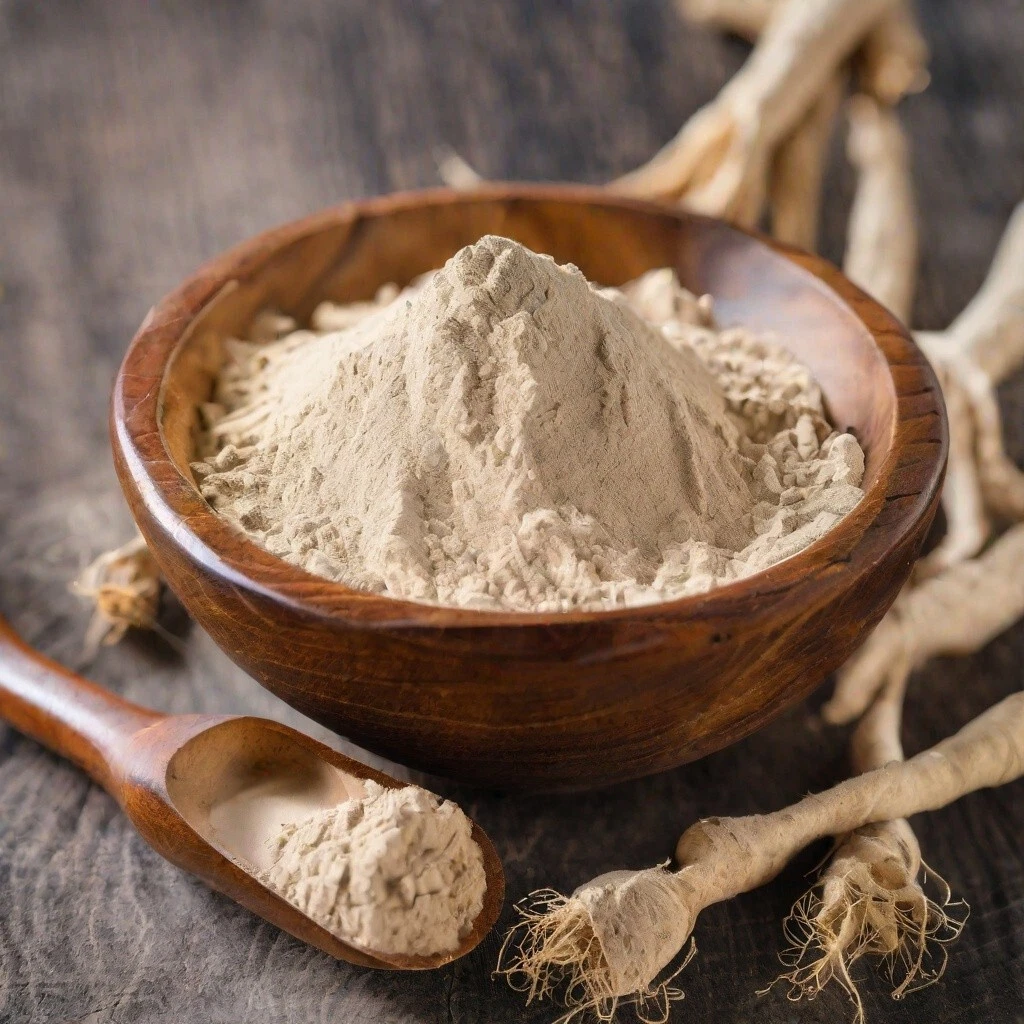
Ashwagandha, an adaptogenic herb used in Ayurvedic medicine, is renowned for its ability to help the body adapt to stress and maintain balance. It works by lowering cortisol (the stress hormone) levels, thus promoting relaxation and overall mental clarity.
How to use: Ashwagandha can be consumed as a powder or capsule. It’s best taken with food, either mixed into a smoothie or added to your morning tea or coffee.
Key Topics: Ashwagandha for stress, adaptogens for stress relief, natural stress management
BUY Ashwagandha HERE
4. Mindful Meditation: A Simple Practice for Mental Calmness
Mindfulness meditation has been shown to significantly reduce stress and improve overall mental health. This practice involves focusing on the present moment without judgment, helping to quiet the mind and reduce anxious thoughts. Regular meditation can rewire the brain to be less reactive to stressors.
How to use: Start with just 5-10 minutes of mindful breathing or guided meditation each day. Find a quiet space, close your eyes, and focus on your breath, allowing any distracting thoughts to gently pass by.
Key Topics: mindfulness meditation for stress, meditation for anxiety, stress-relief techniques
5. Rhodiola Rosea: An Energy-Boosting Stress Remedy
Rhodiola Rosea is an adaptogen known for its ability to reduce fatigue and enhance the body’s ability to cope with stress. It has been shown to support the adrenal glands and regulate cortisol levels, helping you stay calm during stressful situations while maintaining your energy.
How to use: Rhodiola is typically taken in supplement form. Consult with a healthcare provider for the appropriate dosage for your needs.
Key Topics: Rhodiola Rosea for stress, natural stress supplements, adaptogenic herbs for anxiety
6. Deep Breathing Exercises: Instant Stress Relief
Deep breathing exercises are an easy and effective way to reduce stress in the moment. By slowing down your breath and activating the parasympathetic nervous system, deep breathing helps shift your body from "fight or flight" mode to a more relaxed state.
How to use: Practice the 4-7-8 breathing technique: Inhale through your nose for 4 seconds, hold your breath for 7 seconds, and exhale slowly through your mouth for 8 seconds. Repeat for 5 minutes to feel more relaxed.
Key Topics: deep breathing exercises for stress, quick stress relief techniques, breathing exercises for anxiety
7. Yoga: A Holistic Approach to Stress Management
Yoga combines physical movement, breathing exercises, and meditation to help reduce stress and anxiety. Regular yoga practice can lower cortisol levels, enhance flexibility, and improve both mental and physical health.
How to use: Try a gentle, restorative yoga practice or engage in more dynamic styles like Vinyasa or Hatha yoga. Online classes and apps like Yoga with Adriene make it easy to get started at home.
Key Topics: yoga for stress relief, yoga poses for anxiety, natural remedies for stress and anxiety
8. Valerian Root: Nature’s Sleep Aid
If stress is keeping you up at night, valerian root might be the solution. Valerian is known for its sedative effects and has been used for centuries to improve sleep quality and reduce anxiety. It may help you relax both mentally and physically, making it easier to fall asleep after a stressful day.
How to use: Valerian root can be taken as a tea, tincture, or in capsule form. It’s most effective when taken 30 minutes before bedtime.
Key Topics: valerian root for stress, herbal sleep aids, natural remedies for insomnia.
BUY Valerian Root: HERE
9. Magnesium: The Relaxation Mineral
Magnesium is a vital mineral that plays a key role in supporting nerve function and relaxing the muscles. Many people are deficient in magnesium, which can contribute to feelings of anxiety and stress. Taking a magnesium supplement or increasing your intake through food can help calm the body and improve sleep.
How to use: Magnesium can be taken as a supplement (typically magnesium glycinate or citrate) or by consuming magnesium-rich foods like leafy greens, nuts, seeds, and avocado.
Key Topics: magnesium for stress relief, foods high in magnesium, magnesium supplements for anxiety
10. Epsom Salt Baths: A Soothing Self-Care Ritual
An Epsom salt bath is a simple and luxurious way to relieve stress. Epsom salts are rich in magnesium, which can help relax muscles and calm the mind. The warm water also promotes blood circulation, soothing both body and mind.
How to use: Add 1-2 cups of Epsom salt to a warm bath and soak for 20 minutes. Add a few drops of lavender essential oil for an even more relaxing experience.
Key Topics: Epsom salt baths for stress, self-care rituals for anxiety, relaxing bath for stress relief
Conclusion: Embrace Natural Stress Remedies for a Calm and Balanced Life
Managing stress doesn’t have to mean relying on prescription medications or harsh chemicals. By incorporating these natural remedies for stress into your routine, you can find relief from anxiety and tension without negative side effects. Whether you’re sipping a cup of calming chamomile tea, practicing mindful breathing, or soaking in a soothing Epsom salt bath, these remedies are simple yet effective tools for reclaiming your peace of mind.
By embracing a holistic approach to stress management, you can reduce the impact of daily stressors and create a life filled with more relaxation, balance, and well-being. Start integrating these natural stress remedies today and experience the difference they can make for your mental health.
DISCLAIMERS:
The information provided on this blog is for informational purposes only and is not intended to diagnose, treat, cure, or prevent any disease. Always consult with a qualified healthcare provider before using any herbal products, especially if you are pregnant, breastfeeding, or have underlying health conditions. Herbs can interact with medications and may cause allergic reactions or side effects, so it’s important to use them responsibly and in the correct dosages. Individual results may vary, and the effectiveness of herbs depends on various factors, including overall health and lifestyle. We do not guarantee specific outcomes, and all opinions are based on personal experience and research. This blog may contain affiliate links, and we may earn a commission from purchases made through those links, but we only recommend products we believe are valuable to our readers

.jpg)

Comments
Post a Comment