Rose Petals: The Timeless Herb for Beauty, Health, and Wellness
Roses are not only symbols of love and beauty but have also been cherished for centuries for their medicinal and therapeutic properties. While we often admire the beauty of rose petals for their delicate charm and intoxicating fragrance, these floral treasures have a wide range of health and wellness benefits. From skin care to emotional well-being, rose petals have earned a place in herbal medicine, aromatherapy, and culinary traditions.
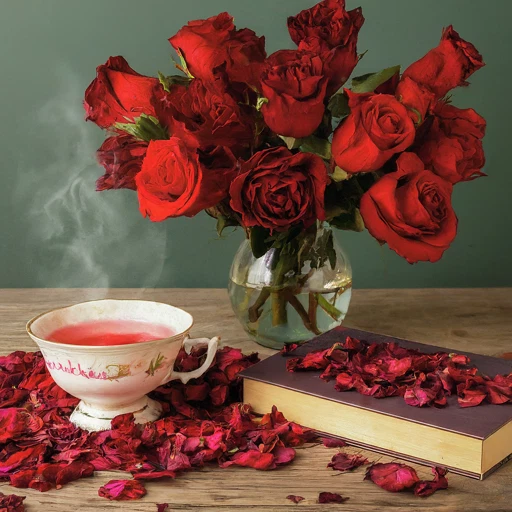 |
| We carry Rose Petals for a Herbal Tea: HERE |
In this post, we will explore the health benefits of rose petals, their active compounds, and how you can incorporate them into your wellness routine. We will also dive into the history, how to use rose petals, and important precautions to ensure safe use.
What Are Herbal Rose Petals?
Rose petals come from the Rosa genus of flowering plants, with the most commonly used varieties in herbal medicine being Rosa damascena (Damask rose), Rosa centifolia (Cabbage rose), and Rosa gallica (French rose). Known for their sweet scent and vibrant colors, rose petals are rich in essential oils, antioxidants, and other bioactive compounds that make them highly beneficial for both internal and external use.
The petals themselves contain a variety of compounds that can support emotional balance, skin health, digestive function, and more. Rose water and rose oil, products derived from rose petals, have been used for centuries in skin care and wellness.
History of Rose Petals in Herbal Medicine
Rose petals have a long-standing history in herbal medicine, particularly in Ancient Greece, Rome, and Egypt. In fact, Cleopatra, the famous Queen of Egypt, was known for her use of rose petals in her beauty rituals. Rose water has been an essential ingredient in Middle Eastern and Indian skincare regimens for centuries.
In traditional medicine systems like Ayurveda and Traditional Chinese Medicine (TCM), rose petals were used to calm the nervous system, reduce inflammation, and support women's health. In the Middle Ages, rose petals were believed to have healing properties for ailments ranging from headaches to digestive disorders.
Active Compounds in Rose Petals
Rose petals are rich in a variety of bioactive compounds that contribute to their wide range of health benefits. Some of the most notable include:
Vitamin C: Rose petals contain significant amounts of vitamin C, a powerful antioxidant that supports the immune system, helps repair tissues, and promotes collagen production for healthy skin.
Flavonoids: These compounds are known for their anti-inflammatory and antioxidant properties, which help protect the body from oxidative stress and support cardiovascular health.
Essential Oils: Rose petals contain essential oils such as geraniol, nerol, and citronellol, which have calming and antimicrobial properties, making them beneficial for both emotional well-being and skin care.
Tannins: Tannins in rose petals are responsible for their astringent properties. They can help reduce inflammation and tighten tissues, making them useful for treating minor cuts, wounds, and skin irritations.
Phenolic Compounds: These compounds have been studied for their antioxidant and anti-inflammatory effects. They help reduce free radical damage and support overall health.
Health Benefits of Rose Petals
1. Boosts Skin Health
One of the most popular uses of rose petals is for skin care. They are often used in rose water, which has been a staple in beauty regimens for centuries due to its hydrating, soothing, and anti-inflammatory properties. Rose petals can help balance the skin’s pH, prevent dryness, and promote radiant skin.
- Anti-aging: The antioxidants in rose petals, especially vitamin C and flavonoids, help protect the skin from oxidative damage that can accelerate aging. Regular use of rose-based products can reduce the appearance of fine lines and wrinkles.
- Acne and Irritation: Rose petal’s anti-inflammatory and antimicrobial properties make it effective for treating acne and other skin irritations. Rose water and rose petal extracts help reduce redness, swelling, and pimples.
2. Supports Emotional Well-being
Rose petals are well known for their calming and mood-boosting properties, making them a popular choice in aromatherapy. The scent of rose oil, derived from rose petals, is often used to alleviate feelings of stress, anxiety, and depression.
- Calming: Rose oil has been shown to help reduce stress and anxiety levels, promoting relaxation and a sense of calm. It’s often used in aromatherapy diffusers or applied topically (when diluted) to help ease emotional tension.
- Improves Sleep: The calming effect of rose petals can also help promote better sleep. If you suffer from insomnia or restlessness, drinking rose petal tea or using rose-based essential oils before bed can help improve your sleep quality.
3. Promotes Digestive Health
Rose petals have been used in traditional medicine for their ability to promote digestive health. They have mild laxative properties that can help relieve constipation and improve overall digestion.
- Relieves Constipation: The anti-inflammatory and carminative properties of rose petals can help stimulate digestion and relieve bloating and gas.
- Soothes the Stomach: Rose petals are often used in herbal teas to help soothe gastric distress, such as indigestion or heartburn.
4. Natural Anti-inflammatory and Antioxidant
The antioxidant properties of rose petals help fight free radical damage in the body, reducing the risk of chronic diseases such as heart disease and cancer. The anti-inflammatory effects of rose petals can also alleviate conditions such as arthritis, rheumatism, and gout.
5. Supports Women's Health
Rose petals are traditionally used to support women’s health, particularly during menstruation and menopause. They help to balance hormones and reduce the symptoms associated with PMS (premenstrual syndrome) and menopausal discomforts.
- Menstrual Relief: Rose petal tea has been used for centuries to ease menstrual cramps and regulate heavy periods. The calming and antispasmodic properties of rose petals help alleviate uterine contractions and discomfort.
- Menopause Support: The soothing properties of rose petals can help reduce symptoms such as hot flashes and mood swings during menopause.
6. Detoxification
Rose petals have natural diuretic properties, meaning they can promote urination and help the body eliminate toxins. They are often included in detox teas to support liver function and kidney health.
How to Use Rose Petals
Rose petals can be used in a variety of ways to harness their health benefits. Here are some of the most popular methods:
1. Rose Petal Tea
Rose petal tea is an easy and enjoyable way to reap the benefits of rose petals. To make rose petal tea:
- Use fresh or dried rose petals (ensure they are pesticide-free).
- Steep 1–2 teaspoons of rose petals in hot water for 5–10 minutes.
- Strain and enjoy! You can add honey, lemon, or mint for additional flavor and health benefits.
This soothing tea is especially effective for relieving stress, improving digestion, and promoting healthy skin.
2. Rose Water
Rose water is a common skin care product made by distilling rose petals with water. It can be used as a toner, moisturizer, or anti-inflammatory spray.
- Toner: Apply rose water to your face using a cotton ball to balance the skin’s pH and reduce redness.
- Eye Compress: Soak a cotton pad in rose water and place it over your eyes to relieve eye strain or swelling.
3. Rose Oil
Rose essential oil is distilled from the petals of the rose and is widely used in aromatherapy for its calming effects. Rose oil can also be used in massage oils for skin health and emotional well-being.
- Diffuser: Add a few drops of rose essential oil to an aromatherapy diffuser to reduce stress and promote relaxation.
- Topical Use: Dilute rose oil in a carrier oil like jojoba or coconut oil and apply it to the skin for a soothing and hydrating effect.
4. Rose Petal Bath
For a luxurious, relaxing experience, add rose petals to your bathwater. The petals can help soothe your skin, relieve stress, and improve your mood. Simply scatter a handful of fresh or dried petals into the bath and and soak for 20–30 minutes.
5. Rose Petal Face Masks
You can also incorporate rose petals into your skincare routine by making a rose petal face mask. Mix rose petals with ingredients like honey, yogurt, or oatmeal to create a soothing, hydrating face mask that will leave your skin feeling refreshed and radiant.
Precautions and Side Effects
Rose petals are generally safe for most people, but it’s important to keep the following in mind:
- Allergies: While rare, some individuals may be allergic to roses or rose products. If you have a history of allergies to flowers, it’s best to do a patch test before using rose-based products on your skin.
- Pregnancy and Breastfeeding: Although rose petal tea is generally considered safe, pregnant and breastfeeding women should consult with a healthcare provider before using rose products extensively.
- Medication Interactions: If you are on blood-thinning medications or other medications, check with a healthcare professional before using rose petal products, as they may interact with certain drugs.
Rose Herb Conclusion
Rose petals are not only beautiful and fragrant, but they also provide a wealth of health benefits. Whether you use them for skin care, emotional well-being, or digestive support, rose petals have something to offer everyone. From traditional teas and tinctures to modern rose water and essential oils, incorporating rose petals into your wellness routine can bring a touch of nature’s beauty to your everyday life.
Rose herb, particularly in the form of rose petals, has long been celebrated for its powerful health benefits and versatility in natural skincare. When used for skin health, rose petals can help reduce inflammation, soothe irritation, and promote glowing, healthy skin. Whether you’re crafting your own rose petal tea at home or using rose water as a toner, these beautiful blooms offer a natural solution for detoxification and digestive health. Many people also turn to rose petal extract for its ability to target acne treatment and promote emotional well-being by alleviating stress and anxiety.
In addition to its benefits for skin, rose herb is gaining popularity in hair care for its ability to stimulate hair growth and improve scalp health. From homemade rose petal face masks to the use of rose oil for soothing the skin, rose petals are a versatile herbal remedy for both beauty and wellness. If you're looking for a natural way to balance your mind and body, incorporating rose petals into your daily routine could be the key to a more vibrant and healthy lifestyle.
________________________________
DISCLAIMER
Information is for educational and Historic use only. Always talk to a doctor before taking any herbs.
RED MORE
Artful Tea: HERE
Blume: HERE
NetMeds: HERE
.jpg)

Comments
Post a Comment