Guide to Skullcap Herb: The Best Calming Herb for Stress, Anxiety, and Restful Sleep
In today’s fast-paced world, many of us struggle with stress, anxiety, and sleepless nights. If you’re looking for a natural remedy to help calm your mind and restore balance, look no further than Skullcap (Scutellaria lateriflora). This powerful yet gentle herb has been used for centuries to soothe the nervous system, support mental clarity, and promote relaxation. Whether you’re dealing with anxiety, insomnia, or just need a bit of stress relief, skullcap may be the herbal ally you’ve been searching for.
 |
| Lords of Spice has high quality Skullcap Herb. |
What is Skullcap Herb?
Skullcap is a perennial herb native to North America, with a long history in traditional herbal medicine. The plant gets its name from its distinctive blue flowers, which resemble a “skullcap” or a helmet-like shape. It belongs to the mint family, Lamiaceae, and is closely related to other calming herbs such as catnip and basil. There are two main types of skullcap: American skullcap (Scutellaria lateriflora) and Chinese skullcap (Scutellaria baicalensis). While both have medicinal properties, American skullcap is most commonly used for its calming and nervous system benefits.
BUY SKULLCAP HERB (Here)
BUY SKULLCAP EXTRACT / TINCTURE (Here)
The Benefits of Skullcap
1. Calming the Nervous System
Skullcap is well-known for its ability to relax the nervous system, making it an excellent choice for those dealing with stress and anxiety. It has a mild sedative effect, which helps to soothe the body’s natural fight-or-flight response. This calming action can reduce feelings of overwhelm, promote emotional stability, and even improve mood. For those experiencing mild to moderate anxiety, skullcap can offer relief without the need for prescription medication.
2. Promoting Restful Sleep
If sleepless nights are a recurring issue, skullcap may be the solution. Its calming properties extend to helping with insomnia and improving sleep quality. Skullcap is often used in herbal teas or tinctures to prepare the body and mind for rest. By calming an overactive mind, skullcap can help you fall asleep faster and enjoy a more peaceful night’s rest. It’s especially helpful for those whose insomnia is linked to anxiety or nervous tension.
3. Easing Tension and Muscle Cramps
Another lesser-known benefit of skullcap is its ability to ease muscle tension and reduce cramps. When taken regularly, it can help relax tight muscles and relieve spasms, making it a helpful herb for people with chronic pain or muscle stiffness. Skullcap can be especially beneficial when combined with other herbs like valerian or chamomile, which further support muscle relaxation.
4. Supporting Cognitive Health
Skullcap doesn’t just calm the body; it also supports mental clarity. The herb has mild nootropic effects, meaning it can enhance cognitive function by improving focus, memory, and mental sharpness. Its calming nature can also reduce brain fog and mental fatigue, helping you think more clearly in stressful situations. Whether you’re dealing with a busy workday or mental burnout, skullcap may help clear the mental clutter.
5. Anti-inflammatory and Antioxidant Properties
Skullcap is rich in flavonoids and other antioxidants, which provide anti-inflammatory benefits. Chronic inflammation can exacerbate conditions like anxiety, stress, and depression, so consuming herbs like skullcap can help reduce the overall inflammatory load in the body. Additionally, the antioxidants help protect cells from oxidative stress, promoting overall health and vitality.
6. Digestive Support:
While primarily known for its calming effects, skullcap may also offer mild digestive support. It has been used traditionally to soothe an upset stomach and ease mild digestive discomfort like bloating or cramping. This is likely due to the presence of tannins, which have astringent properties that can help calm the digestive tract.
Important Note: While skullcap may offer some digestive benefits, it's not a primary treatment for digestive issues. If you're experiencing persistent digestive problems, it's important to consult with a healthcare professional to determine the underlying cause and appropriate treatment.
Active Compounds in Skullcap Herb
1. Flavonoids
Flavonoids are a group of antioxidants that play a significant role in skullcap’s ability to protect the body against oxidative stress and inflammation. They also contribute to the herb’s calming and soothing effects. Key flavonoids in skullcap include:
- Baicalin: One of the primary flavonoids in skullcap, baicalin is known for its anti-inflammatory, antioxidant, and neuroprotective properties. It helps reduce anxiety and promotes relaxation by influencing the GABA (gamma-aminobutyric acid) receptors in the brain, which play a key role in inhibiting excitatory neurotransmissions.
- Baicalein: A close relative of baicalin, baicalein has shown potential as an anxiolytic (anxiety-reducing agent) and neuroprotective compound. It also has anti-inflammatory and antimicrobial effects. Some studies suggest that baicalein may help to improve mood and alleviate symptoms of depression.
- Scutellarin: Found in skullcap, scutellarin is another flavonoid that has been studied for its neuroprotective effects and ability to enhance cerebral blood flow. It’s thought to improve cognitive function and help reduce mental fatigue, a common symptom associated with anxiety and stress.
2. Alkaloids
Alkaloids are naturally occurring compounds that can have a wide range of effects on the body. In skullcap, these include:
- Scutellarein: Scutellarein is a flavonoid alkaloid that has demonstrated anxiolytic effects, contributing to the calming and relaxing properties of the herb.
- Betaine: Known for its role in supporting liver health, betaine also has mild sedative properties. While not the primary compound, it may enhance skullcap’s ability to calm the body.
3. Phenolic Acids
Phenolic acids are a group of plant compounds known for their antioxidant, anti-inflammatory, and immune-modulating effects. In skullcap, caffeic acid and ferulic acid are two significant phenolic acids that contribute to the herb's therapeutic effects. These compounds help to protect cells from damage, reduce inflammation, and support overall health.
4. Tannins
Tannins are polyphenolic compounds found in many plants, and skullcap contains several types of tannins. These compounds have astringent properties, which help to tighten tissues and promote healing. Tannins are also thought to contribute to skullcap’s ability to soothe the digestive system and support its mild sedative effects.
5. GABA-like Compounds
Skullcap contains compounds that may influence GABA receptors in the brain, which are critical for calming the nervous system. These compounds help to activate the parasympathetic nervous system, promoting relaxation and reducing stress.
- GABA (Gamma-Aminobutyric Acid): Though not found in large quantities in skullcap itself, some studies suggest that certain compounds in the herb may enhance the activity of GABA receptors in the brain. GABA is the primary inhibitory neurotransmitter, responsible for calming nervous system activity, which is why skullcap is often used for anxiety, stress, and insomnia.
6. Essential Oils
Skullcap contains small amounts of essential oils, which are responsible for some of the herb’s therapeutic properties. These essential oils have antibacterial, antifungal, and sedative effects. They help enhance the overall relaxing properties of skullcap when used in tinctures or teas.
7. Steroids
Some steroid compounds found in skullcap, particularly sitosterol, contribute to the herb's anti-inflammatory and antioxidant effects. Sitosterol has also been shown to support overall immune function and may improve the body’s ability to manage stress.
Summary of Key Active Compounds in Skullcap:
Flavonoids
- Baicalin: Anti-inflammatory, antioxidant, anxiolytic.
- Baicalein: Anxiolytic, neuroprotective, anti-inflammatory.
- Scutellarin: Improves blood flow, neuroprotective, cognitive-enhancing.
Alkaloids
- Scutellarein: Calming, mild sedative.
- Betaine: Liver support, mild sedative.
Phenolic Acids
- Caffeic acid and Ferulic acid: Antioxidant, anti-inflammatory.
Tannins
- Astringent, anti-inflammatory, soothing to the digestive system.
GABA-like Compounds
- Enhance GABA receptor activity, promote relaxation.
Essential Oils
- Antibacterial, antifungal, sedative.
Steroids
- Sitosterol: Anti-inflammatory, antioxidant, immune-boosting.
How These Compounds Work Together:
The synergy between these active compounds is what makes skullcap such an effective herb for calming the nervous system. By reducing inflammation, supporting healthy brain function, and influencing neurotransmitters like GABA, skullcap helps promote relaxation, reduce anxiety, and support overall mental health.
If you're looking for a natural remedy to help manage stress, anxiety, or insomnia, skullcap offers a gentle yet effective solution. Whether in the form of a tea, tincture, or capsule, skullcap's complex blend of active compounds can help bring balance and tranquility to your life.
How to Use Skullcap Herb
Skullcap is typically used in various forms, such as:
1. Skullcap Tea
One of the most popular ways to enjoy skullcap is by brewing it into a soothing tea. To make skullcap tea, simply steep 1-2 teaspoons of dried skullcap leaves in hot water for about 10 minutes. You can add honey, lemon, or other calming herbs like chamomile or lavender to enhance the flavor and effects.
2. Skullcap Tincture
A skullcap tincture is a more concentrated form of the herb, which can be taken by placing a few drops under the tongue or adding to water. Tinctures are typically more potent and faster-acting than tea, making them a great option if you need quick relief from anxiety or tension. A common dosage is 1-2 droppers (about 30-60 drops), taken 1-3 times per day.
3. Skullcap Capsules or Tablets
For those who prefer a pre-measured, convenient form, skullcap is also available in capsules or tablets. These are often standardized to contain a specific concentration of active compounds, providing a consistent and reliable dose. Follow the manufacturer’s instructions for dosage, but typical servings range from 300 to 500 mg per capsule.
4. Skullcap Extract
Similar to tinctures, skullcap extract is a concentrated form of the herb, but it may be available in different forms, such as powder or liquid. Extracts can be added to teas, smoothies, or even just water for easy consumption.
Is Skullcap Safe?
Skullcap is generally considered safe for most people when used appropriately. However, like any herb, it’s important to take precautions. Some potential side effects include drowsiness, so avoid using skullcap if you need to be alert (such as when driving). Additionally, if you are pregnant or breastfeeding, it’s recommended to consult with a healthcare provider before using skullcap. As with any new herb or supplement, start with a small dose and monitor your body’s response.
If you are taking medications for anxiety, depression, or sleep disorders, it’s essential to consult a healthcare professional before combining skullcap with prescription drugs, as there could be potential interactions.
Liver Function:
While generally safe when used appropriately, skullcap may have a mild impact on liver function in some individuals. Therefore, it's crucial to use it with caution, especially for individuals with existing liver conditions. It's always advisable to consult with a healthcare professional before using skullcap, particularly if you have any concerns about liver health.
Conclusion
Skullcap is a wonderful herb for anyone seeking natural support for stress, anxiety, and insomnia. Its calming effects on the nervous system, ability to promote restful sleep, and cognitive benefits make it a valuable addition to any herbal medicine cabinet. Whether you enjoy a warm cup of skullcap tea in the evening or take a tincture to ease tension during the day, this herb can help bring balance and peace to your life.
If you’ve tried skullcap or are considering adding it to your herbal routine, share your experience in the comments below. As always, remember to consult with a healthcare provider before beginning any new herbal remedy, especially if you have any existing health conditions.
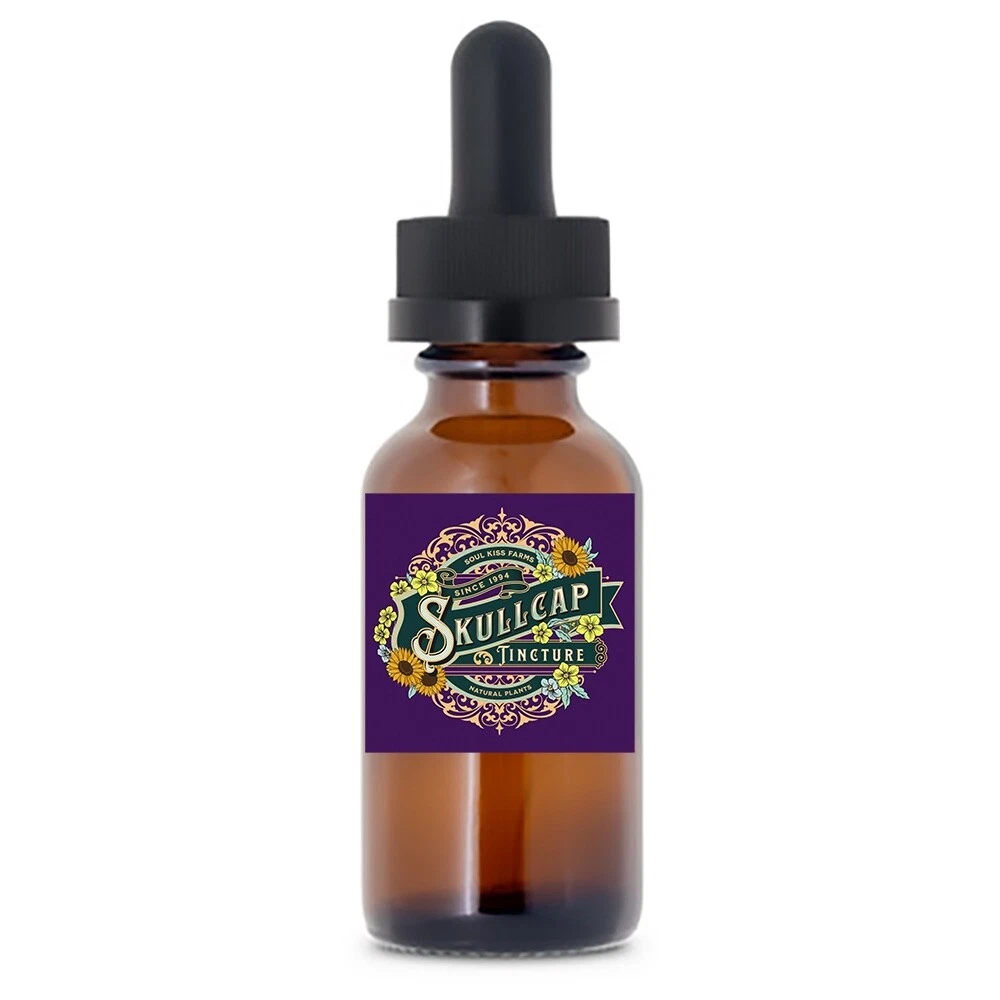 |
| Lords of Spice makes it easy with liquid skullcap extract. (ebay store) |
Disclaimer: The information provided in this article is for educational purposes only. It is not intended to diagnose, treat, or cure any medical condition. Always consult a healthcare provider before using any new herbal remedies.
.jpg)

Comments
Post a Comment