Stinging Nettle: A Comprehensive Guide to Its Benefits, History, Active Compounds, and Usage
Introduction to Stinging Nettle
Stinging Nettle (Urtica dioica) is a powerful herb with a long history of use in traditional medicine. Despite its reputation for causing skin irritation, this humble plant is packed with nutrients and bioactive compounds that make it an excellent remedy for a wide range of health issues. Known for its anti-inflammatory, detoxifying, and nutrient-rich properties, Nettle has been utilized for thousands of years in various cultures for everything from joint pain to hair loss to digestive health.
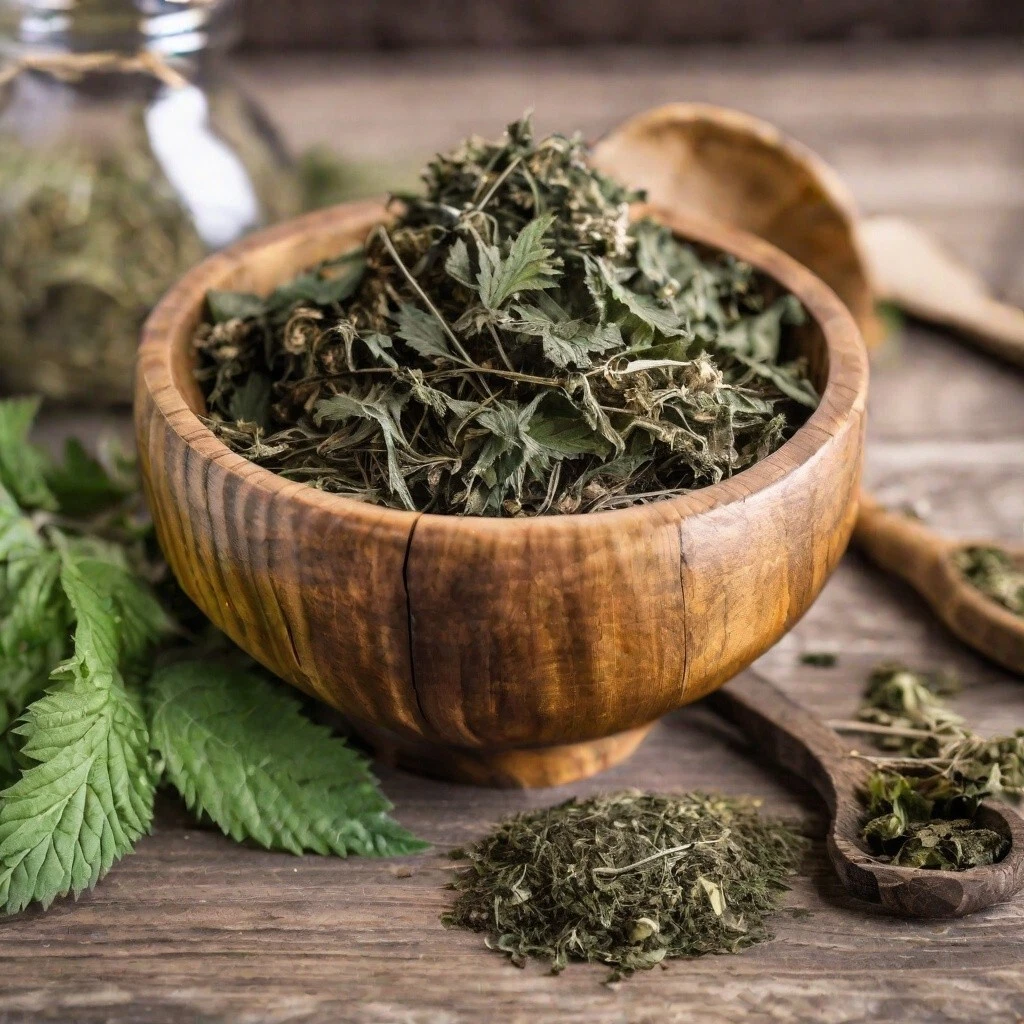 |
| Stinging Nettle Herb From Lords of Spice: Get it HERE |
In this detailed guide, we’ll explore the history, benefits, active compounds, and how to use Stinging Nettle effectively. We’ll also cover any safety considerations and disclaimers you need to be aware of before using this herb.
What is Stinging Nettle?
Stinging Nettle is a perennial plant native to Europe, Asia, and North America. It’s best known for the sharp hairs on its leaves and stems that contain formic acid, which can cause a stinging sensation when touched. Despite this, Nettle has a rich history in herbal medicine and is prized for its various health benefits.
The plant grows in damp, nutrient-rich soil, often found in woodlands, hedgerows, and gardens. It is highly resilient and can reach up to 3 to 4 feet tall with jagged, heart-shaped leaves that have a serrated edge. Though the plant's sting is unpleasant, the benefits it offers far outweigh the initial discomfort it might cause.
Historical Use of Stinging Nettle
Stinging Nettle has been used for medicinal purposes for centuries. Its first documented use dates back to Ancient Greece, where it was employed as a remedy for rheumatic pain and muscle weakness. The Roman physician Dioscorides recommended the herb for treating joint pain, digestive issues, and wounds.
In medieval Europe, Stinging Nettle was commonly used to stimulate circulation and treat arthritis. The plant was also used as a natural remedy for hair loss, nourishing the scalp, and promoting healthy hair growth.
In traditional Chinese medicine (TCM), nettles were considered a tonic to support the kidneys and liver, improve blood circulation, and balance the body’s energy.
Key Benefits of Stinging Nettle
Stinging Nettle is revered for its diverse therapeutic properties. Here are some of the most well-documented benefits of this powerhouse herb:
1. Anti-Inflammatory Effects
One of the primary benefits of Stinging Nettle is its anti-inflammatory action. It has been shown to help reduce inflammation in the body, making it useful for conditions like arthritis, gout, and rheumatic diseases.
- How it works: Nettle contains compounds like lignans, flavonoids, and steroidal saponins, which have anti-inflammatory effects. These compounds inhibit the production of pro-inflammatory cytokines and other inflammatory markers.
- What the research says: Studies have demonstrated that Nettle can be effective in reducing joint pain and swelling associated with conditions like osteoarthritis and rheumatoid arthritis. A study published in the Journal of Herbal Pharmacotherapy found that Nettle extract significantly reduced pain and improved joint function in people with osteoarthritis.
2. Support for Urinary Health
Stinging Nettle is commonly used to support the urinary system, especially in men suffering from benign prostatic hyperplasia (BPH), a condition where the prostate gland enlarges and causes difficulty urinating.
- How it works: Nettle has diuretic properties, helping to flush excess fluid from the body. It also helps to support prostate health by reducing inflammation in the prostate gland.
- What the research says: Clinical studies have shown that Nettle extract, when used in combination with other herbs, can reduce the symptoms of BPH, such as frequent urination and urinary urgency. It may also help reduce the size of the prostate in some cases.
3. Detoxification and Cleansing
Nettle is a natural blood purifier and is used in detoxification protocols to help cleanse the body of toxins. It promotes the elimination of waste products through both the liver and the kidneys.
- How it works: Nettle helps to promote urination, aiding the body in flushing out excess toxins. It also stimulates liver function, which supports the detoxification process.
- What the research says: Nettle’s detoxifying properties are largely attributed to its antioxidant content, which neutralizes free radicals and protects cells from oxidative damage. Some studies suggest that regular consumption of Nettle can enhance the body’s ability to detoxify naturally.
4. Promotes Healthy Skin and Hair
Nettle has long been used to support skin health and hair growth. It contains vitamins A, C, and K, as well as silica, which are crucial for maintaining healthy skin and hair.
- How it works: Nettle’s high silica content strengthens hair follicles, promoting hair growth and preventing hair loss. It’s often used in topical treatments for scalp health and dandruff.
- What the research says: Nettle has been shown to be effective in stimulating hair growth and reducing hair loss in both men and women. It is also commonly used in natural shampoos and hair treatments for its antioxidant and anti-inflammatory properties.
5. Supports Cardiovascular Health
Nettle has potential benefits for cardiovascular health, particularly in lowering blood pressure and supporting cholesterol levels.
- How it works: The flavonoids and antioxidants in Nettle help to reduce oxidative stress, which is a key factor in the development of heart disease. Additionally, Nettle may help improve blood circulation, reducing the risk of blood clots and supporting overall cardiovascular function.
- What the research says: Some studies suggest that Nettle’s antioxidant effects help lower blood pressure and improve vascular health. Its ability to improve circulation and reduce cholesterol levels may also contribute to overall heart health.
Active Compounds in Stinging Nettle
Stinging Nettle contains a variety of bioactive compounds that contribute to its medicinal properties. Some of the most important include:
1. Flavonoids
- Role: Flavonoids, like quercetin and kaempferol, are powerful antioxidants that help neutralize free radicals, reducing inflammation and supporting overall health.
- Action: These compounds also support vascular health, improve circulation, and help the body detoxify by eliminating waste.
2. Lignans
- Role: Lignans are another type of antioxidant found in Nettle, offering anti-inflammatory and antioxidant benefits.
- Action: Lignans support immune function and may help reduce the risk of chronic diseases, including cancer and heart disease.
3. Steroidal Saponins
- Role: These compounds are important for joint health and are thought to contribute to Nettle’s ability to reduce pain and swelling in conditions like arthritis.
- Action: Steroidal saponins work by inhibiting the production of inflammatory molecules and by reducing swelling and discomfort in joints.
4. Silica
- Role: Silica is essential for maintaining healthy skin, hair, and nails.
- Action: It strengthens hair follicles and promotes hair growth, while also supporting collagen production for healthy, elastic skin.
5. Formic Acid
- Role: Formic acid is responsible for the stinging sensation caused by contact with the plant’s hairs. While this can be unpleasant, it also has antimicrobial properties that help protect the plant.
- Action: In small amounts, formic acid can have beneficial effects on the body by stimulating circulation and reducing pain.
How to Use Stinging Nettle
Stinging Nettle is available in a variety of forms, making it easy to incorporate into your wellness routine. Here are some popular ways to use it:
1. Nettle Tea
- How to Prepare: Steep 1-2 teaspoons of dried Nettle leaves in hot water for about 5-10 minutes. Strain and drink.
- Dosage: Drink 1-2 cups per day for general health and detoxification.
2. Nettle Capsules or Tablets
- How to Use: Follow the dosage instructions on the supplement bottle, typically 300-500 mg per day.
- Dosage: Start with a lower dose and gradually increase to assess your tolerance.
3. Nettle Tincture
- How to Use: Take 20-30 drops of Nettle tincture diluted in water or juice, 1-2 times per day.
- Dosage: Follow instructions.
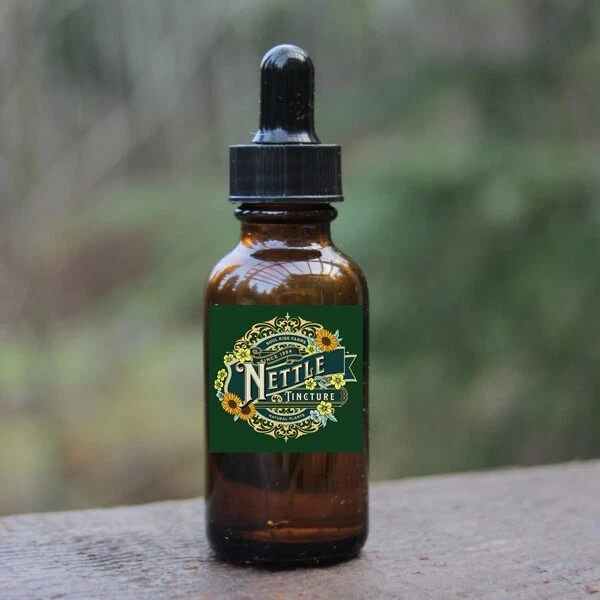 |
| Stinging Nettle Extract, a easy to use Tincture: Get it HERE |
Legal Disclaimer (Herbal Products)
1. Informational Purposes Only: The information provided on this website/label is intended for educational purposes only and should not be construed as medical advice. It is not intended to diagnose, treat, cure, or prevent any disease. Consult with a qualified healthcare professional before using herbal products, especially if you have any medical conditions or are taking medications, or are pregnant or nursing.
2. FDA Disclaimer: These herbal products have not been evaluated by the Food and Drug Administration (FDA). They are not intended to diagnose, treat, cure, or prevent any disease. Also some may have allergic reactions to certain plants. We make no claims, and all items are sold as bulk herbals.
3. Individual Results May Vary: The effectiveness of herbal products can vary depending on factors such as dosage, frequency of use, and individual health conditions. Some people can have rnegative reactions and get sick form plants, as everyone is different. Individual results may vary.
4. Usage Instructions: Follow the recommended usage instructions with a healthcare professional. Also contact a healthcare professional if you experience any adverse reactions.
5. Not Suitable for Everyone: Herbal products may not be suitable for everyone, including pregnant or nursing women, children, and individuals with certain medical conditions or allergies and people taking certain medications.
6. Quality and Sourcing: Quality and sourcing practices may vary. While efforts are made to ensure the highest quality products, seller cannot guarantee the quality or efficacy of the herbal products.
7. Liability Limitation: The seller is not liable for any damages or losses incurred as a result of using or misusing herbal products. Use at own discretion.
8. Information Updates: The information provided in this disclaimer is subject to change without notice. It is advisable to check for updates or changes to the disclaimer periodically.
By using these herbal products, you acknowledge that you have read, understood, and agreed to this disclaimer.
.jpg)

Comments
Post a Comment