Ultimate Guide to Learn About Valerian Root: Nature’s Powerful Remedy for Best Sleep and Popular for Stress Relief
If you’ve ever struggled with insomnia, anxiety, or stress, you might be familiar with the search for a natural remedy to help restore balance and bring you restful sleep. One such time-honored herb is Valerian root (Valeriana officinalis), known for its calming and sedative properties. For centuries, valerian has been used to treat various sleep and anxiety-related issues, and it remains a popular choice for those seeking holistic approaches to relaxation and mental wellness.
NOTE: Clearly stating that the information is for educational purposes only and should not be considered medical advice. Always consult with a healthcare professional before use.
 |
| Buy Valerian Root Powder: HERE |
In this blog post, we will dive into the benefits of valerian root, its active compounds, how it works in the body, and how you can use it to improve your quality of life. Whether you're looking to get better sleep, reduce stress, or simply incorporate a powerful herb into your wellness routine, valerian root could be the answer you’ve been seeking.
What is Valerian Root?
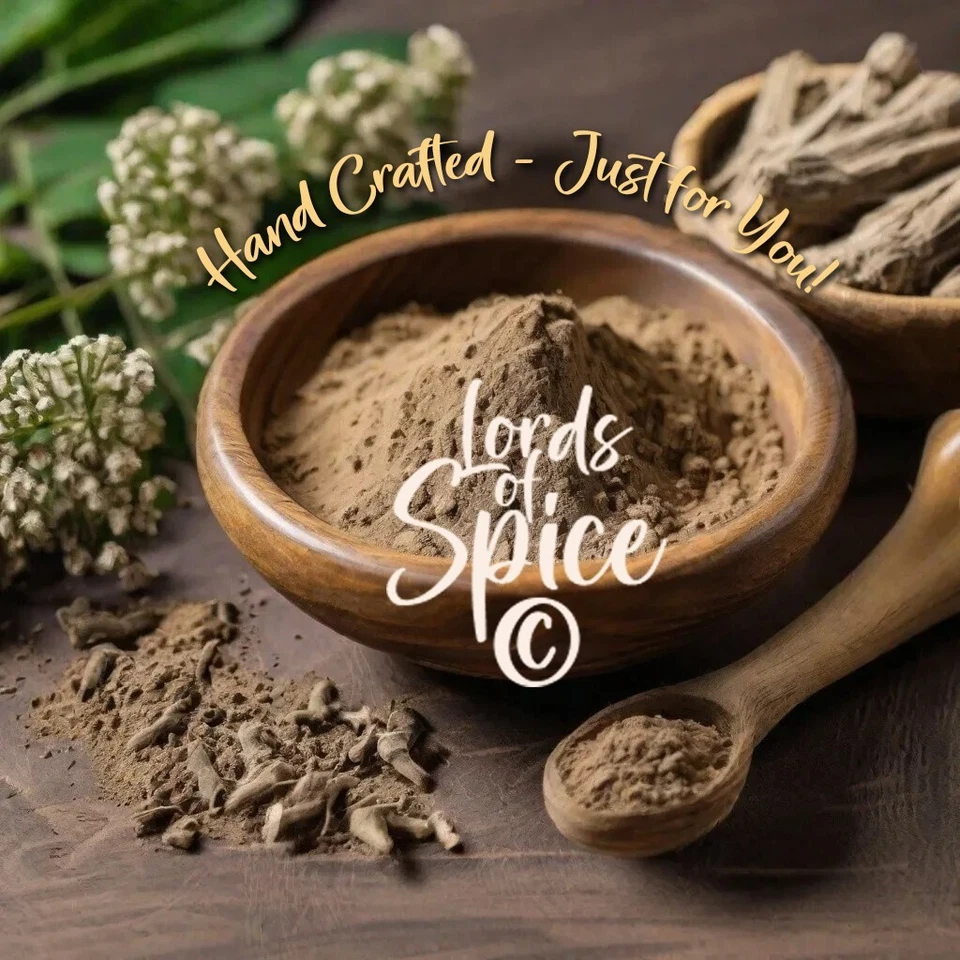
Valerian root comes from a flowering plant, Valeriana officinalis, which is native to Europe and Asia. The plant's roots are the medicinal part used in herbal medicine. Valerian is known for its characteristic earthy, pungent odor, which many people find off-putting, but the herb’s potent therapeutic properties more than make up for it.
The use of valerian dates back to ancient times. The Greek physician Hippocrates is said to have used valerian to treat ailments like nervousness and insomnia, while later cultures, including the Romans and Egyptians, valued the herb for its calming effects. In modern herbalism, valerian is most commonly used as a natural remedy for insomnia, stress, and anxiety.
Ancient Use of Valerian Root
Ancient Greece & Rome: The first recorded use of Valerian dates back to ancient Greece and Rome. The Greek physician Dioscorides (1st century AD) mentioned Valerian in his influential herbal text, De Materia Medica. It was used to treat ailments such as nervous disorders, sleep disturbances, and headaches. Dioscorides even recommended it for stomach problems and muscle pain.
Hippocrates, the "Father of Medicine," also recognized Valerian's therapeutic properties. In fact, Valerian was commonly used in ancient herbal medicine as a tonic for relaxation and to ease nervous tension.
Active Compounds in Valerian Root
Valerian contains a variety of bioactive compounds that contribute to its calming and therapeutic properties. The most important compounds include:
-
Valerenic Acids: These compounds have been shown to have a sedative effect, working by increasing GABA (gamma-aminobutyric acid) activity in the brain. GABA is a neurotransmitter that helps calm nerve activity, promoting relaxation and better sleep.
-
Valepotriates: These compounds contribute to the herb’s anxiolytic (anxiety-reducing) effects. They have been found to help reduce stress and anxiety by acting on the central nervous system.
-
Lignans: Valerian also contains lignans, which have been linked to anti-inflammatory and antioxidant properties. These compounds can support the body’s overall health, particularly in reducing oxidative stress.
-
Flavonoids: Known for their calming and anti-inflammatory effects, flavonoids play a role in regulating sleep patterns and promoting mental clarity.
Together, these active compounds make valerian a powerful ally in treating conditions such as insomnia, stress, anxiety, and even muscle spasms or headaches.
Potential Health Benefits of Valerian Root
1. Promotes Better Sleep
- Natural Sleep Aid: Valerian root is best known for its sleep-inducing properties. It has been shown to reduce the time it takes to fall asleep and improve the quality of sleep. Unlike pharmaceutical sleep aids, valerian promotes a restful night’s sleep without the risk of dependency or grogginess the next morning.
- How It Works: Valerian works by increasing GABA levels in the brain. GABA is an inhibitory neurotransmitter that helps relax the brain and body, making it easier to fall asleep and stay asleep.
2. Reduces Anxiety and Stress
- Natural Calming Agent: Valerian root has long been used to reduce symptoms of stress and anxiety. The herb works by balancing the nervous system, promoting a sense of calm and tranquility. If you experience tension, restlessness, or nervousness, valerian can help soothe your mind.
- How It Works: Valerian affects the brain’s GABA receptors, which are linked to relaxation and reducing mental agitation. By enhancing GABA’s effects, valerian helps lower anxiety levels and reduces the body’s physical response to stress.
3. Supports Muscle Relaxation
- Muscle Spasms and Tension Relief: Because of its calming effects on the nervous system, valerian can also help alleviate muscle spasms and tension. It is sometimes used to reduce cramps or discomfort from conditions like fibromyalgia and restless leg syndrome.
- How It Works: Valerian’s sedative effects relax the muscles, helping to release tension throughout the body.
4. Relieves Menstrual Discomfort
- Soothes Menstrual Cramps: Valerian root may also provide relief from the painful cramps and discomfort that accompany menstruation. Its muscle-relaxing properties help alleviate the cramping associated with menstruation and promote overall uterine relaxation.
5. Supports Cognitive Health
- Mental Clarity: While valerian is often used for its sleep-promoting and stress-relieving effects, some studies suggest it may also help improve mental clarity by reducing anxiety and promoting relaxation. A relaxed mind is often clearer and more focused, making valerian a great herb to support overall cognitive health.
How do people historically use Valerian Root
Valerian root is available in several forms, making it easy to incorporate into your wellness routine. Below are some common ways to use this powerful herb:
1. Valerian Root Tea
- Recipe: To make valerian root tea, use 1-2 teaspoons of dried valerian root and steep it in hot water for 10-15 minutes. You can add honey or lemon to improve the taste, as valerian has a strong, earthy flavor.
- Benefits: A simple way to enjoy valerian’s calming effects before bed. This can help promote better sleep and reduce anxiety at the end of a long day.
2. Valerian Root Tincture
- Dosage: The recommended dose for valerian tincture is typically 30-60 drops, taken up to three times a day. It’s best to take it 30 minutes before bedtime for its sleep-promoting effects.
- Benefits: The tincture is a concentrated form of valerian root, providing a potent and fast-acting way to experience its benefits.
3. Valerian Root Capsules
- Dosage: Valerian root is also available in capsule or tablet form, with a typical dose ranging from 250 mg to 500 mg. Follow the instructions on the label or consult a healthcare professional for proper dosage.
- Benefits: Capsules are convenient and easy to incorporate into your daily routine. They offer a standardized dose and are ideal for those who prefer not to prepare teas or tinctures.
4. Valerian Root Extract (Liquid Form)
- Dosage: Liquid extracts can be taken in small doses (usually 1-2 droppers full) and added to water or tea. Like tinctures, liquid extracts are fast-absorbing and easy to use.
- Benefits: Provides the same calming effects as tinctures and capsules but in a more concentrated form.
Precautions and Side Effects
Although valerian is generally considered safe when used appropriately, there are some precautions to be aware of:
- Sedation and Drowsiness: As valerian is a sedative herb, it may cause drowsiness. Be cautious when driving or operating heavy machinery after using valerian, especially if you're new to the herb.
- Drug Interactions: Valerian can interact with sleeping pills, anxiolytics, and other sedative medications. If you are taking prescription drugs, consult with a healthcare provider before using valerian root.
- Pregnancy and Breastfeeding: Due to insufficient safety data, it’s best to avoid valerian during pregnancy and breastfeeding unless otherwise directed by a healthcare provider.
- Possible Side Effects: Some individuals may experience mild side effects, such as headaches, gastrointestinal upset, or dizziness. If you experience any adverse reactions, discontinue use and consult a healthcare professional.
Conclusion
Valerian root is a powerful, natural remedy that can provide relief from stress, anxiety, insomnia, and muscle tension. Whether used as a sleep aid, a calming tonic, or a remedy for occasional stress, valerian has earned its place in herbal medicine. By promoting relaxation, enhancing sleep quality, and supporting emotional well-being, valerian root can be an essential part of your self-care routine.
As with any herbal supplement, it’s important to use valerian root responsibly and consult with a healthcare provider if you have any concerns or are on medication. Embrace the natural power of valerian root and let it help you achieve better sleep, improved relaxation, and a more balanced life.
TOPICS INCLUDE:
Valerian root for better sleep and relaxationHow to use valerian root for anxiety and stress reliefBest valerian root dosage for insomniaNatural remedies with valerian root for sleep disordersValerian root benefits for anxiety and mental healthValerian root tincture for sleep and relaxationValerian root tea for stress and anxiety reliefIs valerian root safe for long-term use?Valerian root side effects and precautionsWhere to buy high-quality valerian root supplements
READ MORE:
Wiki: HERE
WebMD: HERE
Herbal and Legal DISCLAIMERS:
The information provided on this blog is for informational purposes only and is not intended to diagnose, treat, cure, or prevent any disease. Always consult with a qualified healthcare provider before using any herbal products, especially if you are pregnant, breastfeeding, or have underlying health conditions. Herbs can interact with medications and may cause allergic reactions or side effects, so it’s important to use them responsibly and in the correct dosages. Individual results may vary, and the effectiveness of herbs depends on various factors, including overall health and lifestyle. We do not guarantee specific outcomes, and all opinions are based on personal experience and research. This blog may contain affiliate links, and we may earn a commission from purchases made through those links, but we only recommend products we believe are valuable to our readers
.jpg)

Comments
Post a Comment