Wormwood: The Bitter Herb for Digestive Health, Parasite Cleansing, and More
Disclaimer: This blog post is for informational purposes only and is not intended to diagnose, treat, cure, or prevent any disease. Always consult with a qualified healthcare professional before using any herbal products, especially if you are pregnant, breastfeeding, or have underlying health conditions. Herbs can interact with medications and may cause allergic reactions or side effects. Individual results may vary, and the effectiveness of herbs depends on various factors, including overall health and lifestyle. This information does not constitute medical advice.
Wormwood (Artemisia absinthium) is a highly regarded herb with a rich history of medicinal use, particularly in the realms of digestive health, parasite cleansing, and detoxification. Known for its distinctive bitter taste, wormwood has been a key component in traditional remedies for centuries, dating back to ancient civilizations. Today, it continues to be utilized in herbal medicine, particularly for its antimicrobial properties and its ability to stimulate appetite and digestion.
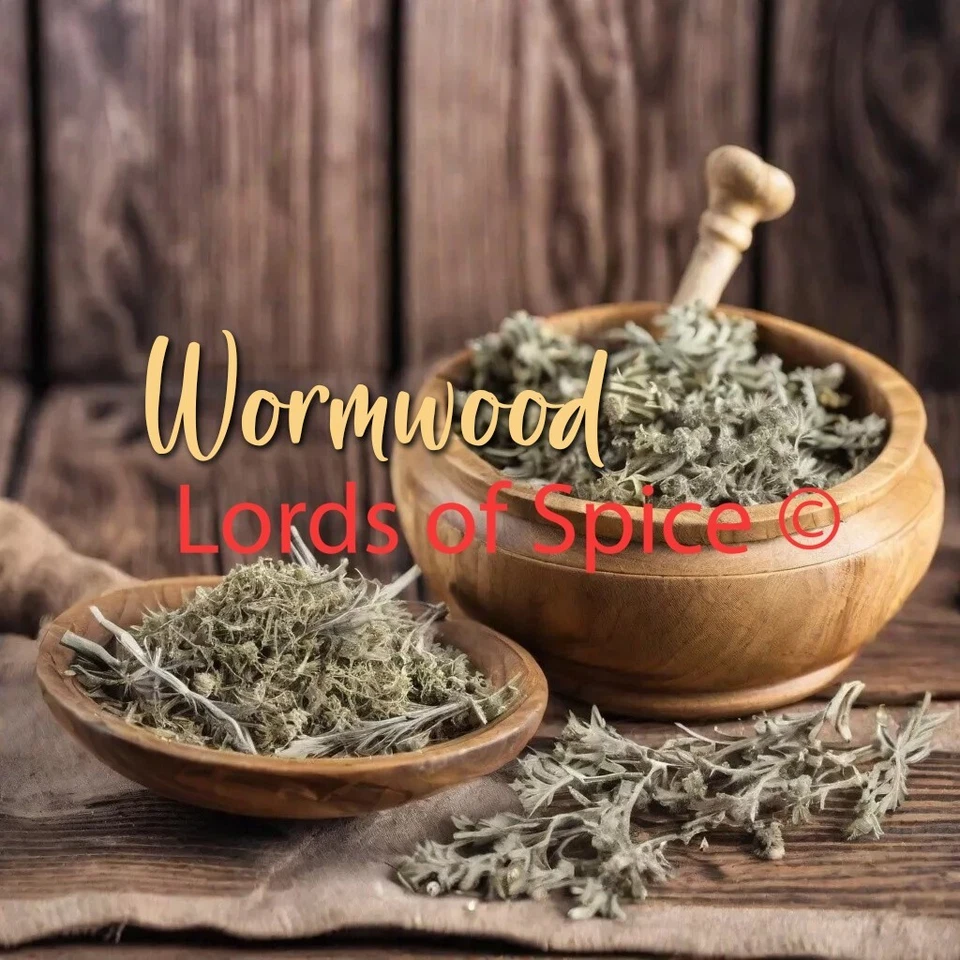 |
| At Lords of Spice, we carry a high quality wormwood herb. |
In this blog post, we will explore the fascinating history, medicinal benefits, active compounds, recommended dosages, and safe usage of wormwood, so you can harness its potent healing powers in your wellness routine.
BUY WORMWOOD HERB: Here
BUY WORMWOOD EXTRACT: Here
The History of Wormwood
Wormwood has a long and storied history of medicinal and ritual use. The ancient Egyptians used wormwood for its digestive properties, and it is believed to have been one of the ingredients in their well-known kykeon—a ceremonial drink mentioned in the writings of Homer. The Greeks and Romans also recognized wormwood’s potential for digestive issues, and it was a vital part of their pharmacopeia.
Wormwood's medicinal use continued through the Middle Ages and into the Renaissance, where it was utilized as a remedy for a wide range of ailments, including gastrointestinal disorders, fever, and even as an insect repellent. In the 19th century, wormwood gained global fame as a key ingredient in the creation of absinthe, a potent alcoholic drink that was popular in European bohemian circles.
In traditional herbalism, wormwood has been regarded as a powerful “bitter” herb—known for stimulating the digestive system and promoting the expulsion of intestinal parasites. It has also been used in folk medicine to treat conditions such as malaria, dyspepsia, and liver stagnation.
Potential Health Benefits of Wormwood
Potential Health Benefits of Wormwood
-
Digestive Health and Appetite Stimulation: Wormwood has a long history as a digestive aid. The plant’s bitter compounds stimulate the production of bile, gastric juices, and digestive enzymes, which are essential for breaking down food and absorbing nutrients. This makes wormwood particularly beneficial for individuals with poor digestion, bloating, and indigestion.
- The bitter compounds in wormwood also help stimulate the appetite, which is why it’s often used in tonics and bitters to support those suffering from a loss of appetite or poor digestive function. The herb may also be helpful for individuals suffering from slow digestion or low stomach acid.
-
Parasite Cleansing: Wormwood is perhaps most famous for its use in parasite cleansing. The herb contains compounds that are toxic to many intestinal parasites, including worms and protozoa. Artemisinin, a potent compound found in wormwood, is especially well-known for its antiparasitic and antimalarial properties. It has been used for centuries as a remedy for intestinal worms, including tapeworms, roundworms, and pinworms.
- Modern studies have shown that wormwood can be effective in helping eliminate parasites from the digestive tract. Often, wormwood is combined with other herbs, such as black walnut and clove, in parasite cleansing protocols for a more comprehensive approach.
-
Antimicrobial and Antifungal Properties: Wormwood has antimicrobial properties and can be effective in treating a variety of infections. It has been shown to have antibacterial, antifungal, and antiviral effects, making it a useful herb for combating infections of the digestive system, respiratory tract, and skin.
- Research suggests that wormwood may help fight off harmful bacteria such as E. coli and Salmonella, and it has been used traditionally to treat conditions like dysentery and diarrhea. Additionally, wormwood’s antifungal properties make it beneficial for treating fungal infections such as Candida overgrowth.
-
Anti-Inflammatory and Pain Relief: Wormwood contains compounds that have anti-inflammatory effects, which can be helpful in reducing inflammation in the body. This makes wormwood useful for treating conditions like arthritis, digestive inflammation, and conditions that involve pain and swelling.
- In particular, wormwood has been used in topical applications for musculoskeletal pain, as it can help ease pain and inflammation in joints and muscles. Some herbalists also use it for headaches or migraines, due to its ability to soothe the nervous system and reduce stress-related symptoms.
-
Liver Health and Detoxification: Wormwood supports liver function by promoting the flow of bile, which is necessary for the detoxification process and the digestion of fats. By stimulating bile production, wormwood helps cleanse the liver and promotes the efficient elimination of waste products from the body.
- This liver-stimulating effect makes wormwood beneficial in liver congestion, sluggish digestion, and detoxification protocols. It is commonly included in herbal liver detox blends and bitters formulas.
-
Mental Clarity and Mood Support: Historically, wormwood has been used to help lift the mood and clear the mind. The plant has a mild stimulating effect on the central nervous system, which may help improve mental clarity and focus. Wormwood has also been used as a remedy for anxiety, depression, and mental fatigue, though it should be used cautiously for these purposes, as it can have potent effects on the nervous system.
- Wormwood’s use in the creation of absinthe further emphasizes its impact on the mind and spirit, though modern-day absinthe is often diluted and regulated for safety. As a mild nervine, wormwood may be helpful for individuals experiencing stress or tension when used in small, controlled amounts.
-
May Aid in Malaria Treatment: Wormwood is well known for its artemisinin content, which is the basis for modern antimalarial medications. Artemisinin-based combination therapies (ACT) are the standard treatment for malaria, especially in developing countries. Though wormwood itself is not a substitute for medical treatment, its role in malaria and parasite cleansing is well-documented and continues to be an important area of study.
Active Compounds in Wormwood
Wormwood contains several bioactive compounds that contribute to its health benefits. The most notable include:
- Artemisinin: A potent compound with antiparasitic and antimalarial properties. Artemisinin is the key ingredient in modern malaria treatments.
- Thujone: A compound found in wormwood that has been shown to have stimulating and mild psychoactive effects. In large amounts, thujone can be toxic, which is why wormwood should be used with caution.
- Flavonoids: These antioxidants help reduce inflammation and protect cells from oxidative stress.
- Bitter Compounds (e.g., absinthin, artabsin): These stimulate bile production and digestive enzymes, promoting healthy digestion.
- Tannins: Known for their antimicrobial and astringent properties, which help prevent infections and promote tissue healing.
Recommended Dosage of Wormwood
Wormwood is a potent herb, so it’s important to use it carefully and under professional guidance. Below are general guidelines for using wormwood, but always consult with a qualified herbalist or healthcare provider before use, especially if you are pregnant, breastfeeding, or taking prescription medications.
Recommended Dosage of Wormwood
Wormwood is a potent herb, so it’s important to use it carefully and under professional guidance. Below are general guidelines for using wormwood, but always consult with a qualified herbalist or healthcare provider before use, especially if you are pregnant, breastfeeding, or taking prescription medications.
- Wormwood Tea: Steep the dried leaves in hot water for 10-15 minutes, then strain and drink 1-2 cups daily. This is a traditional way of using wormwood for digestive issues, appetite stimulation, and parasite cleansing.
- Wormwood Tincture: Take directly under the tongue or dilute in a small amount of water.
- Wormwood Capsules or Powder: Follow the dosage instructions on the product label, and consult with a healthcare provider before starting a wormwood-based supplement for parasite cleansing or digestive support.
- Topical Application (for pain relief): Gently massage into sore muscles or inflamed joints.
 |
| Easy to use Wormwood Extract, liquid Drops. We carry this in our ebay store: HERE |
Safety and Side Effects
Wormwood is generally safe when used in moderate amounts, but it should be used with caution, as its potent compounds can cause toxicity when consumed in large quantities.
- Thujone Toxicity: Large amounts of wormwood, especially in essential oils or concentrated extracts, can cause toxic side effects due to thujone, which can lead to seizures, nausea, and vomiting. For this reason, it is important not to exceed recommended dosages.
- Pregnancy and Breastfeeding: Wormwood should be avoided during pregnancy and breastfeeding, as it may cause uterine contractions or be harmful to the baby.
- Allergic Reactions: Some people may be allergic to wormwood or other plants in the Asteraceae family (such as ragweed). If you experience symptoms like skin rashes, difficulty breathing, or dizziness, discontinue use and seek medical attention.
- Drug Interactions: Wormwood may interact with medications, especially those for digestive issues, liver disorders, or mental health. Always consult with a healthcare provider if you are taking prescription medications.
DISCLAIMERS:
The information provided on this blog is for informational purposes only and is not intended to diagnose, treat, cure, or prevent any disease. Always consult with a qualified healthcare provider before using any herbal products, especially if you are pregnant, breastfeeding, or have underlying health conditions. Herbs can interact with medications and may cause allergic reactions or side effects, so it’s important to use them responsibly and in the correct dosages. Individual results may vary, and the effectiveness of herbs depends on various factors, including overall health and lifestyle. We do not guarantee specific outcomes, and all opinions are based on personal experience and research. This blog may contain affiliate links, and we may earn a commission from purchases made through those links, but we only recommend products we believe are valuable to our readers
.jpg)

Comments
Post a Comment