The Healing Power of Pau d’Arco Bark (Ipe Roxo)
Pau d’Arco (Tabebuia impetiginosa), also known as Ipe Roxo or Lapacho, is a treasured herbal remedy derived from the inner bark of a tree native to the Amazon rainforest and other tropical regions of Central and South America. Renowned for its myriad health benefits, Pau d’Arco has been used for centuries in traditional medicine for its powerful antimicrobial, anti-inflammatory, and immune-supporting properties.
NOTE: Clearly stating that the information is for educational purposes only and should not be considered medical advice. Always consult with a healthcare professional before use.
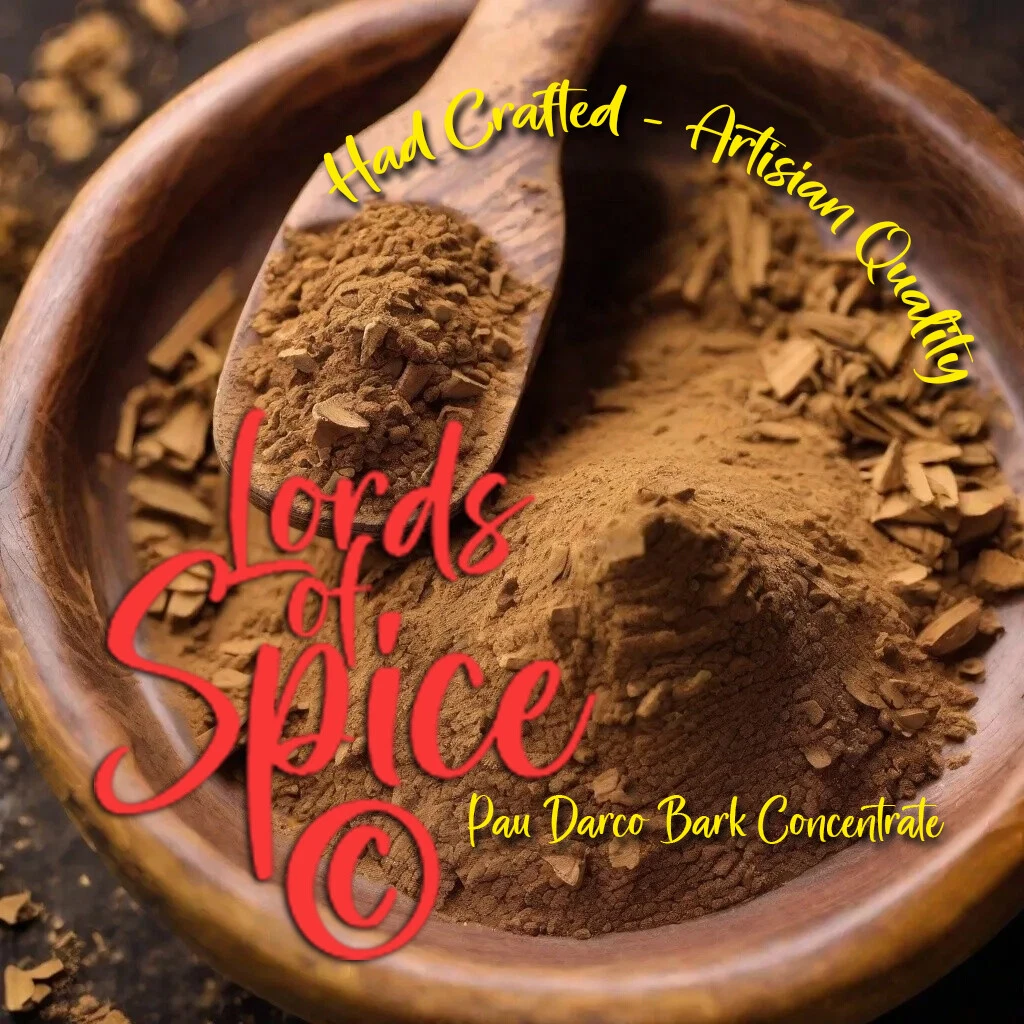 |
| Pau d’Arco (Tabebuia impetiginosa) in Stock in our STORE |
What is Pau d’Arco?
Pau d’Arco comes from the Tabebuia tree, notable for its vibrant purple-pink flowers and durable wood. The name "Ipe Roxo" translates to "purple lapacho," referencing its vivid floral display. The medicinal part of the tree is the inner bark, which contains potent bioactive compounds like lapachol and beta-lapachone.
Key Potential Health Benefits of Pau d’Arco Bark
-
Antimicrobial Properties
Pau d’Arco is celebrated for its natural ability to combat infections. It contains naphthoquinones, such as lapachol, which exhibit antifungal, antibacterial, and antiviral properties. This makes it a popular remedy for candida overgrowth, urinary tract infections, and skin conditions like athlete’s foot.
-
Anti-inflammatory Effects
The bark’s anti-inflammatory properties can help reduce inflammation associated with arthritis, digestive disorders, and other chronic conditions.
-
Immune Support
Pau d’Arco enhances the immune system’s response, making it a valuable ally during cold and flu season. Its antioxidant content helps protect the body from oxidative stress and free radical damage.
-
Detoxification
Traditionally, Pau d’Arco has been used to cleanse the blood and liver, aiding in the elimination of toxins and promoting overall vitality.
-
Pain Relief
The herb has mild analgesic properties, which may help alleviate joint pain, headaches, and menstrual discomfort.
Common Uses of Pau d’Arco
- Teas and Decoctions: The most popular way to use Pau d’Arco is by brewing the bark into a tea, allowing the beneficial compounds to infuse into the water.
- Capsules and Tinctures: Convenient for those who prefer pre-measured doses, these are widely available in health stores.
- Topical Applications: Poultices made from Pau d’Arco can be applied to wounds, rashes, or fungal infections to promote healing.
How do people traditional use or Prepare Pau d’Arco Tea
- Measure 2 teaspoons of dried Pau d’Arco bark.
- Add it to 2 cups of water.
- Bring the mixture to a boil, then reduce to a simmer for 15-20 minutes.
- Strain and enjoy the tea warm or cooled.
Pro Tip: Enhance the flavor with honey or a splash of lemon.
Safety and Side Effects
Pau d’Arco is generally safe when used in moderation, but it can cause mild side effects like nausea or dizziness in some individuals. Pregnant or breastfeeding women and those on blood-thinning medications should consult a healthcare provider before use, as Pau d’Arco can thin the blood.
Traditional and Cultural Significance
Indigenous tribes of the Amazon have long revered Pau d’Arco for its therapeutic properties, using it to treat infections, wounds, and digestive issues. It remains an integral part of traditional medicine in South America.
Pau d’Arco, also known as "Ipe Roxo" or "Lapacho," holds a special place in the cultural and medicinal practices of Indigenous tribes across the Amazon and other parts of South America. For centuries, the inner bark of this tree has been a cornerstone of traditional medicine, passed down through generations as a remedy for a wide range of ailments.
Healing Practices of Indigenous Tribes
Tribal healers, often referred to as shamans, were among the first to unlock the healing potential of Pau d’Arco. They carefully harvested the inner bark, ensuring the tree’s sustainability, and used it to create teas, poultices, and decoctions. These preparations were believed to cleanse the body, treat infections, and promote overall vitality.
- Infections and Wounds: Pau d’Arco was traditionally applied to skin infections, cuts, and wounds to prevent bacterial and fungal contamination. Its antimicrobial properties made it invaluable in tropical environments where such conditions were common.
- Digestive Issues: Decoctions of Pau d’Arco bark were used to soothe stomach ailments, including ulcers, indigestion, and intestinal infections.
- Fever and Respiratory Conditions: The bark was often brewed into a tea to help reduce fevers and alleviate symptoms of respiratory conditions like colds and bronchitis.
Sacred Symbolism and Ritual Use
Beyond its medicinal applications, Pau d’Arco held spiritual significance for many Indigenous cultures. The Tabebuia tree, with its striking blossoms, was often seen as a symbol of resilience and vitality. Some tribes used the bark in ceremonial practices to promote healing and spiritual cleansing, believing it could drive out negative energies and restore balance to the body and soul.
Integration into South American Traditional Medicine
As European settlers arrived in South America, knowledge of Pau d’Arco began to spread beyond Indigenous communities. It became a staple in folk medicine across the continent, where it was used for:
- Combating malaria and other tropical diseases.
- Treating anemia and promoting blood purification.
- Supporting women’s health, particularly for menstrual irregularities and uterine health.
In Brazil and Argentina, Pau d’Arco remains a widely used remedy in alternative and integrative medicine. Herbalists and naturopaths continue to rely on it for its natural antibiotic and immune-boosting properties.
Modern Interest in Pau d’Arco
The traditional knowledge of Pau d’Arco has spurred modern scientific interest in its bioactive compounds, such as lapachol and beta-lapachone. Research into its antimicrobial, anti-inflammatory, and anticancer properties seeks to validate and expand upon its traditional uses, bridging the gap between Indigenous wisdom and modern medicine.
Historical Record:
Pau d'Arco (Tabebuia impetiginosa and other species in the genus) first appeared in the historical record in the early colonial period of South America. The bark's use by Indigenous tribes predates recorded history, but written references emerged as European explorers and missionaries documented their encounters with the native peoples and their medicinal practices.
Historical Mentions
Early European Exploration (16th-17th Century):
Spanish and Portuguese explorers, including missionaries and naturalists, observed Indigenous communities using Pau d’Arco bark to treat a variety of ailments. While specific documentation is scarce from this period, general references to the use of tree barks, including Pau d'Arco, for fevers, infections, and wound healing were noted in travelogues and missionary accounts.
18th Century Documentation:
European botanists and explorers, as they began cataloging the flora of the Americas, recorded the medicinal uses of Pau d’Arco. It was often listed among remedies used for tropical diseases and infections. Pau d’Arco's antimicrobial properties, particularly its effectiveness against fevers and malaria-like symptoms, made it a subject of interest.
19th Century Herbal and Medical Texts:
By the 1800s, Pau d’Arco was being incorporated into folk medicine practices in South America. Descriptions of its use began appearing in herbal manuals and medical texts as European interest in traditional medicines grew. In Brazil, Argentina, and Paraguay, the bark was widely regarded as a remedy for syphilis, malaria, and other chronic conditions.
Modern Recognition (20th Century):
Pau d’Arco gained broader attention in the mid-20th century when research into its chemical constituents, particularly lapachol, began to reveal its potential antimicrobial and anticancer properties. Scientists sought to validate traditional uses, and Pau d’Arco entered the global market as a dietary supplement.
Indigenous Knowledge as the Foundation
It’s important to note that while Pau d’Arco entered the written historical record during European colonization, its use among Indigenous peoples of the Amazon basin likely dates back thousands of years. The oral traditions of these communities served as the foundation for later documentation and scientific investigation.
Where to Buy Pau d’Arco
Pau d’Arco bark is widely available at health food stores and online retailers. Look for organic, sustainably sourced products to ensure high quality and ethical harvesting practices.
You can buy Pau D'Arco Bark Powder in our ebay store: HERE
How I Use Pau d’Arco Bark as a Herbalist
As a herbalist, I’ve spent years working with a wide variety of plants, each with its unique qualities and benefits. Among them, Pau d’Arco bark (Tabebuia impetiginosa) holds a special place. Sourced from the inner bark of a tree native to South America, Pau d’Arco has long been celebrated for its medicinal properties by indigenous peoples of the Amazon. Here’s how I use this remarkable herb in my practice and daily life.
Why Pau d’Arco?
Pau d’Arco is a powerhouse herb known for its antimicrobial, antifungal, and anti-inflammatory properties. It’s rich in lapachol, beta-lapachone, and quercetin, which contribute to its medicinal effects. These compounds make it particularly effective against infections, skin conditions, and immune system support.
Here are some potential benefits of Pau d’Arco bark (Tabebuia spp.) backed by research, along with suggestions for references:
1. Antimicrobial Properties
- Evidence: Pau d’Arco contains compounds like lapachol and beta-lapachone, which have demonstrated antimicrobial activity against bacteria, fungi, and viruses.
- Studies: Research has shown that lapachol inhibits growth in Candida albicans and other pathogenic microorganisms.
- Suggested Reference: Braga, F.G. et al. (2005). "Antimicrobial activity of extracts and constituents from Tabebuia spp." Journal of Ethnopharmacology.
2. Anti-Inflammatory Effects
- Evidence: Studies suggest that Pau d’Arco’s naphthoquinones exhibit anti-inflammatory effects by inhibiting pro-inflammatory cytokines.
- Studies: Laboratory models demonstrate reduced inflammation markers in response to Pau d’Arco extracts.
- Suggested Reference: Almeida, A.C.A. et al. (2012). "Anti-inflammatory activity of naphthoquinones from Tabebuia avellanedae." Phytotherapy Research.
3. Antioxidant Potential
- Evidence: High levels of flavonoids and quercetin in Pau d’Arco contribute to its antioxidant capacity, reducing oxidative stress and supporting cellular health.
- Studies: Pau d’Arco extracts have been shown to scavenge free radicals and protect against oxidative damage.
- Suggested Reference: Kang, J.Y. et al. (2013). "Antioxidant activity of Tabebuia impetiginosa inner bark." Journal of Medicinal Plants Research.
4. Immune Modulation
- Evidence: Pau d’Arco may stimulate immune responses, making it a potential adjunct for infections and immune-related disorders.
- Studies: Immune modulation was observed in animal studies, with enhanced macrophage activity and cytokine release.
- Suggested Reference: Pardo-Andreu, G.L. et al. (2008). "Modulatory effects of Tabebuia extract on immune function." International Immunopharmacology.
5. Potential Anticancer Activity
- Evidence: Lapachol has been investigated for its cytotoxic effects on cancer cells, including breast and prostate cancer lines.
- Studies: In vitro studies indicate that lapachol induces apoptosis and inhibits cancer cell proliferation.
- Suggested Reference: Miller, J.S. et al. (2009). "Cytotoxicity and anticancer properties of lapachol and derivatives." Cancer Research Journal.
Preparation Methods
1. Herbal Tea
One of the simplest ways I use Pau d’Arco is as a tea. The bark is tough and woody, so it requires decoction rather than steeping like delicate leaves.
How I prepare it:
- Add 2 teaspoons of Pau d’Arco bark to 2 cups of water.
- Bring to a boil and simmer for 10-15 minutes.
- Strain and enjoy warm or cool.
This tea is my go-to for immune support during cold and flu season or when dealing with minor infections.
2. Tinctures
For clients who prefer something more concentrated, I prepare a tincture using Pau d’Arco bark.
How I make it:
- Combine 1 part dried bark with 5 parts 40% alcohol in a glass jar.
- Let it macerate for 4-6 weeks, shaking occasionally.
- Strain and store in a dark glass bottle.
A few drops of this tincture can be taken under the tongue or added to water for systemic support.
3. Skin Applications
Pau d’Arco’s antifungal properties make it an excellent remedy for skin conditions like athlete’s foot or fungal infections.
How I use it:
- Brew a strong tea and use it as a wash for the affected area.
- For stubborn cases, I mix the powdered bark with a carrier oil like coconut oil to create a topical salve.
When I Use Pau d’Arco
1. Immune Support
Pau d’Arco is invaluable for boosting the immune system. I often recommend it to clients recovering from illness or dealing with chronic infections.
2. Digestive Health
For digestive issues like Candida overgrowth or bloating, Pau d’Arco’s antifungal and anti-inflammatory properties are highly effective. A tea or tincture works well in these cases.
3. Skin Conditions
Whether it’s eczema, psoriasis, or fungal infections, Pau d’Arco offers relief. I’ve had success using it in washes and salves for clients with persistent skin problems.
4. General Wellness
On a personal note, I often enjoy Pau d’Arco tea as a gentle detoxifier. Its rich antioxidant content helps combat oxidative stress, making it a wonderful addition to any wellness routine.
Stories from Practice
Client Case: Fungal Infection Relief
A client came to me with a recurring toenail fungus that conventional treatments hadn’t resolved. We incorporated a daily foot soak using Pau d’Arco tea, combined with a topical application of the salve. Within weeks, the infection cleared up significantly, and they became a Pau d’Arco believer!
Personal Experience: Flu Recovery
Last winter, I caught a nasty flu that left me feeling drained for days. Pau d’Arco tea, along with elderberry syrup, became my daily ritual. It helped reduce inflammation and gave my immune system the boost it needed for a quicker recovery.
Tips for Using Pau d’Arco Safely
- Moderation is key: Overuse can cause mild digestive upset.
- Pregnancy and breastfeeding: Avoid Pau d’Arco during these times unless under professional guidance.
- Source wisely: Always choose sustainably harvested bark to support ethical wildcrafting.
The Pau d’Arco Takeaway
Pau d’Arco is a versatile and powerful herb that I consider a staple in my herbal toolkit. Its ability to support immunity, fight infections, and promote overall health makes it a must-have for herbalists and natural health enthusiasts alike. Whether you’re brewing a tea, crafting a tincture, or blending a salve, this Amazonian treasure truly lives up to its reputation.
So, if you’re looking to explore an herb that has stood the test of time, give Pau d’Arco a try—you just might find it becoming one of your favorites too.
Conclusion
Pau d’Arco is a versatile and powerful herb with a rich history and a broad spectrum of health benefits. Whether you’re looking to support your immune system, cleanse your body, or tackle stubborn infections, Pau d’Arco deserves a place in your natural health toolkit. With proper preparation and mindful use, this ancient remedy can become a cornerstone of your herbal wellness routine.
For More Reading:
Mountsinai.org: Article
WebMD: Article
VeryWellHealth: Article
Explore the natural world’s potential—brew a cup of Pau d’Arco tea today and discover why this Amazonian treasure has stood the test of time.
.jpg)

Comments
Post a Comment